As an Amazon Associate, Akermin earns from qualifying purchases. Product links on this page are affiliate links.

MSA · MSA ALTAIR 4XR Multi-Gas Detector (O2, H2S, CO) - Handheld Instrument | Portable Gas Monitor, UL/CSA Approval, Includes Instrument Only, 500+ Alarm Event Logging, 50+ Hours Data Logging 10178557
View on AmazonPrice and availability are shown on Amazon and can change at any time.
A four gas personal detector measuring lower explosive limit, oxygen, hydrogen sulphide and carbon monoxide, with over 500 recorded alarm events and more than 50 hours of data including bump and calibration records, a 24 hour rechargeable battery, MotionAlert man down and InstantAlert manual alarms, an end of sensor life warning, over moulded rubber armour surviving repeated 25 ft drops onto concrete, MIL-STD-810G drop protection, IP68, plug and play XCell sensors and compatibility with automated test and fleet management systems. This is a different class of instrument from everything else in this category.
This is not a leak detector, and the difference is the point
Most gas instruments in this project exist to find a leak. You sweep a joint, the detector responds, you repair the joint. Sensitivity is the headline specification because the whole task is noticing a tiny trace.
A four gas personal detector does the opposite job. It hangs on a worker and watches the atmosphere they are breathing, and its purpose is to tell them to leave. It needs to be reliable rather than exquisitely sensitive, it needs to alarm in a way nobody can ignore, and it needs to be demonstrably working.
That reframing explains the entire specification set. Nothing here is about finding smaller leaks. Everything is about trust: that the sensors respond, that the alarm sounds, that the record exists, and that the instrument survives being dropped down a shaft.
The four channels are the standard confined space set. LEL for flammable atmosphere. Oxygen, which can be depleted by displacement or consumed by rust in a tank, and which is the hazard people most underestimate. Hydrogen sulphide, which is lethal at very low concentrations and which deadens your sense of smell before it kills you. Carbon monoxide. The listing claims virtually no cross channel interference, which matters because a reading on the wrong channel sends you to the wrong conclusion.
The records are what you are actually buying
The traceability bullet is the most important one on the page: over 500 alarm events and over 50 hours of data, including bump and calibration records.
Consider what that is for. A gas detector that was working perfectly and never alarmed, and a gas detector whose sensors died six weeks ago and therefore never alarmed, produce identical experience for the wearer. Both were quiet. Only one was protecting anybody.
The only thing that distinguishes them is a history of the instrument having been tested and having responded. A bump test exposes it to known gas to confirm it reacts and alarms, and a logged bump record is the evidence that it did.
The listing adds an LED indication of bump pass or fail with large on screen cues, which is a small design decision with a real effect: a wearer can see at a glance, in bad light and through a visor, whether the instrument passed its check this morning.
The alarm event log serves a different purpose. After an incident, a record of what was detected, how high and for how long is what an investigation works from. A detector that alarmed and cleared with no record leaves nothing behind.
End of sensor life warning addresses the silent failure
We have made this point about a cheaper detector that publishes a seven year sensor life, and it applies with more force here because a life is attached to the answer.
Electrochemical cells age whether or not they are used. Their output falls, their response slows, and eventually they stop responding at all. Throughout that decline the instrument powers up normally and displays a reassuring zero.
A published service life tells you when to replace. A warning on the instrument itself is better, because it does not depend on anyone having kept a diary. The listing states an end of sensor life warning as a feature, and the XCell sensors are described as plug and play, which means the replacement is a task rather than a repair.
Together those two decisions mean an ageing sensor becomes a visible, fixable condition instead of an invisible failure.
The durability figures are specific and checkable
| Specification | Published in the listing |
|---|---|
| Gases | LEL, O2, H2S, CO, with minimal cross channel interference claimed |
| Data | 500 plus alarm events, 50 plus hours, bump and calibration records |
| Battery | Rechargeable lithium polymer, 24 hour run time |
| Alarms | MotionAlert man down, InstantAlert manual, bump pass or fail LED |
| Sensor management | End of sensor life warning, plug and play XCell sensors |
| Drop protection | Multiple 25 ft drops onto concrete, MIL-STD-810G |
| Ingress protection | IP68, dust and waterproof |
| Fleet management | GALAXY GX2 automated test system, MSA Link and Link Pro software |
| Measurement ranges | Not stated in the listing bullets |
| Accuracy, any channel | Not stated in the listing bullets |
| Alarm set points | Not stated in the listing bullets |
| Intrinsic safety certification | Not stated in the listing bullets |
Multiple 25 ft drops onto concrete with a named military standard is a different grade of claim from rugged, and IP68 is the strongest ingress rating in this project, exceeding the IP67 figures elsewhere. For a tool that goes into tanks, shafts and wet confined spaces, both are substantive.
Two absences deserve a note even on a listing this strong. The measurement ranges and alarm set points for each gas are not published, and those are the numbers that determine when the instrument tells you to leave. And intrinsic safety certification, which governs whether an electrical device may be taken into a flammable atmosphere at all, is not mentioned. For an LEL detector that certification is fundamental, and it is almost certainly held; it simply is not on the page.
Who should buy it, and what it demands
This is for confined space entry, utility work, water treatment, tank work and anywhere a worker needs an atmosphere monitor rather than a leak finder. The 24 hour battery covers a shift with margin, the drop and ingress ratings survive the environment, and the data and bump records make it auditable.
It also makes a demand, and it is worth stating plainly. An instrument like this is only as good as the bump testing behind it, and bump testing needs calibration gas and a routine that actually happens. The GALAXY GX2 automated test system exists in the listing because manual testing across a fleet reliably does not get done. Buying the detector without the testing regime leaves you with an expensive device and the same silent failure mode as a cheap one.
Recommended Tools
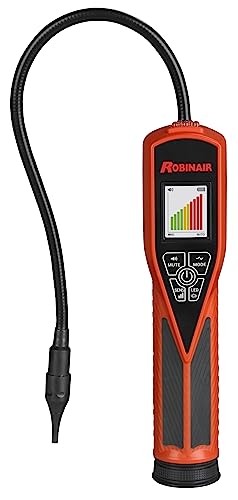
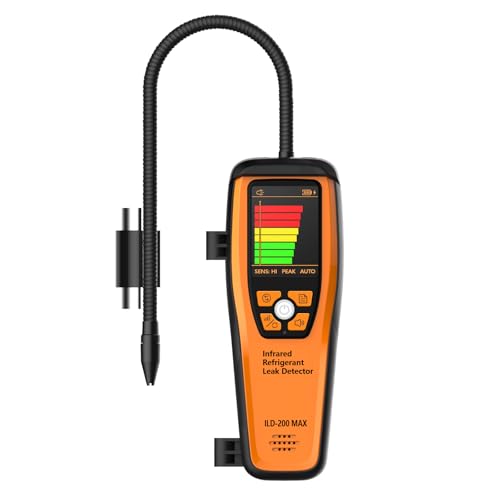
Products shown because their documented specifications fit this guide. Price and availability are on Amazon and can change.
Frequently Asked Questions
What is a bump test and why do the records matter?
A bump test exposes the detector to a known gas concentration to confirm it still responds and alarms. It is not a calibration, it is a check that the instrument is alive. The records matter because a personal gas detector protects a life, and the only way to know it was working when it mattered is a logged history of it responding. The listing states LED indication of bump pass or fail with large on screen cues, and recording of bump and calibration records alongside 500 plus alarm events and 50 plus hours of data.
What does end of sensor life warning actually prevent?
The worst failure mode in gas detection. An aged electrochemical sensor does not announce itself; the instrument powers on, the display reads zero, and zero is what you hoped to see. A detector with a dead oxygen or hydrogen sulphide cell agrees that the atmosphere is safe. A warning that a sensor is reaching the end of its life converts a silent failure into a scheduled replacement.
What is MotionAlert?
A man down alarm. If the instrument stops moving for a set period it assumes the wearer has collapsed and raises an audible and visual alarm to attract help. The listing pairs it with InstantAlert, a manual alarm the wearer triggers deliberately. Both exist because the person in trouble may not be able to call for help, and both are features of a safety device rather than a measuring one.
Is this the same kind of tool as a leak detector?
No, and the distinction is important. A leak detector finds escaping gas so you can repair something, and it is designed to be sensitive to tiny traces. A four gas detector monitors the atmosphere around a worker to tell them when to leave, and it is designed to be reliable, alarmed and traceable. Using one for the other job gets the wrong answer in both directions.
What do I need beyond the instrument?
A bump test regime and calibration gas, and the discipline to use them. The listing mentions compatibility with the MSA GALAXY GX2 automated test system and MSA Link software, which exist because manual bump testing across a fleet of detectors does not happen reliably. Buying this without a testing routine defeats most of what you paid for.
Affiliate disclosure: Akermin earns a commission from qualifying Amazon purchases made through links on this page. Our editorial picks are based on documented specifications and owner feedback, not commissions.