
How to Choose a Carbon Monoxide Meter
An electrochemical sensor with 1 ppm resolution, peak hold, alarm setpoints, and a sensor you can replace. Plus a certified alarm at home, always.
Read Guide→Gas leak detectors, CO, methane, refrigerants and multi-gas meters.

An electrochemical sensor with 1 ppm resolution, peak hold, alarm setpoints, and a sensor you can replace. Plus a certified alarm at home, always.
Read Guide→A two-range gas sniffer and a ppm carbon monoxide meter, the pair an inspector needs to document a gas appliance, plus a 4-gas monitor for crawl spaces.
Read Guide→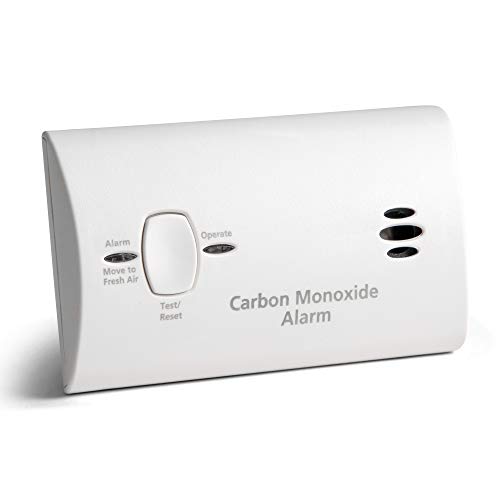
Battery CO alarms and meters that fit a carry-on, compared from manufacturer documentation for hotel rooms, vacation rentals and RV trips.
Read Guide→
Listed Kidde and First Alert CO alarms compared by power source and display, plus a low-level monitor that shows ppm before an alarm would sound.
Read Guide→
Plug-in CO and explosive gas alarm with two AA backup cells, a display that shows CO ppm or GAS, low-level CO alerts at 30 to 70 ppm, 85 dB, 7-year warranty.
Read Review→
Compact flush-mount 12-volt RV alarm for propane and CO, 108 mA draw, mute with rapid recovery, UL 2034 RV and UL 1484 RV. Replaces Atwood 31013 and 31014.
Read Review→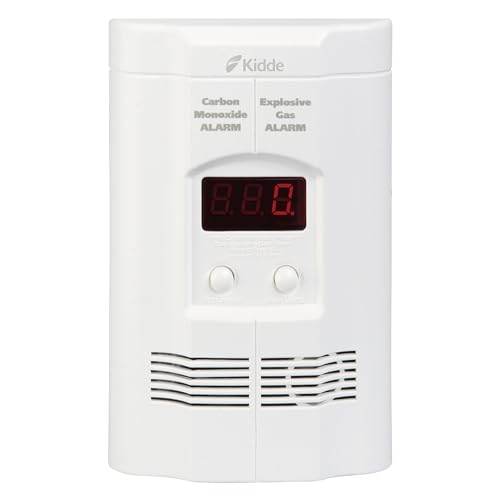
A plug-in alarm that watches for carbon monoxide and for natural gas or propane, with a digital display, 85 dB horn, peak level memory and a 9V battery backup.
Read Review→An alarm protects sleeping people. A meter finds the source. A home needs the alarm; a technician needs the meter.
Read Article→No. A CO detector cannot sense natural gas, propane or methane, and a smoke detector cannot either. Only a combustible gas sensor responds to a fuel leak.
Read Article→A gas leak detector senses unburned fuel before it can ignite; a CO detector senses the poison left by fuel that burned badly. Neither covers the other.
Read Article→