As an Amazon Associate, Akermin earns from qualifying purchases. Product links on this page are affiliate links.
No, and Here Is Why
A carbon monoxide detector does not detect natural gas. It also does not detect propane, methane, butane or any other fuel gas, and a smoke detector does not detect any of them either. The sensor in a CO alarm is an electrochemical cell that reacts only with carbon monoxide. Natural gas leaking into a kitchen passes over it without producing any signal, no matter how strong the smell becomes. The only alarms that respond to a fuel gas leak are those with a dedicated combustible gas sensor, sold as gas leak detectors, explosive gas alarms, or combination CO and explosive gas alarms.
Which Alarm Senses What
| Alarm type | Natural gas (methane) | Propane, butane, LPG | Carbon monoxide | Smoke |
|---|---|---|---|---|
| CO alarm (UL 2034) | No | No | Yes | No |
| Smoke alarm | No | No | No | Yes |
| Combustible gas alarm (UL 1484) | Yes | Yes, on most models (check the listing) | No | No |
| Combination CO and explosive gas alarm | Yes | Yes | Yes | No |
Does a CO Detector Detect Propane?
No. Propane is a fuel, chemically a hydrocarbon like methane, and the CO cell ignores it for the same reason. This matters most in propane homes and RVs, where the confusion does the most harm: an RV usually ships with a propane alarm near the floor and may also have a CO alarm, and owners sometimes assume one covers the other. It does not. The RV combination units from Safe T Alert exist precisely because both sensors are needed; the listing for the 25 series mini dual alarm describes it as upgrading a single propane alarm to detect both propane and carbon monoxide.
Does a CO Detector Detect Methane?
No. Methane is the main component of natural gas, so this is the same question in different words. If a product page says a CO alarm “detects gas,” read the fine print: either it has a second sensor, or the wording is loose.
Does a Smoke Detector Detect Gas?
No. Ionization and photoelectric smoke alarms respond to combustion particles in the air, which is what a fire produces. Unburned natural gas produces no particles, so a smoke alarm reacts only once the gas has ignited, at which point the warning is a formality. The differences are set out in gas detector vs smoke detector.
How to Tell What Your Alarm Actually Is
- Read the label on the back. A CO-only alarm cites UL 2034. A combustible gas alarm cites UL 1484. A combination unit cites both.
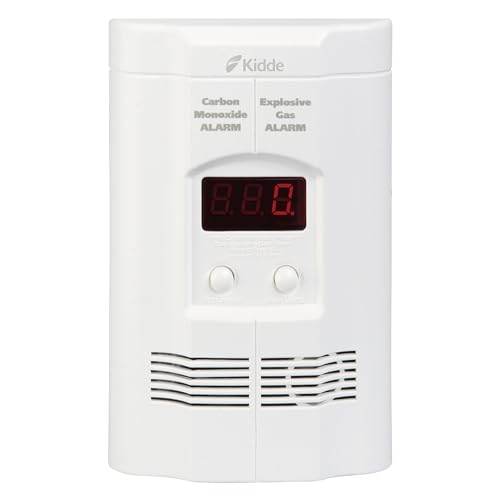
- Look at the display. Combination alarms from Kidde show a CO reading in ppm and switch to the word GAS when the combustible sensor trips; a CO-only unit has no gas indication of any kind.
- Check the product name. “Explosive gas,” “natural gas and propane” or “gas leak” in the name means a gas sensor is present. “Carbon monoxide alarm” alone means it is not. The First Alert GCO1CN and the BRK explosive gas and CO alarm both say so in the name.
- Check the mounting guidance. A gas sensor’s height matters, high for natural gas and low for propane, so the manual will say something about it. CO alarm instructions are relaxed about height because CO mixes evenly.
Why the Confusion Persists
Three reasons. First, both hazards involve gas appliances, so people file them together. Second, retail shelves put the products side by side and combination units blur the line. Third, and most important, a gas leak does not produce carbon monoxide; it releases unburned fuel. CO comes from burning that fuel badly. So a gas leak can go completely unnoticed by a CO alarm, and a CO problem can exist with no leak anywhere. The two hazards are independent and need independent sensing, as gas leak detector vs carbon monoxide detector lays out in more depth.
What to Do If You Only Have CO Alarms
If your home runs natural gas appliances, you already have a working nose and a mercaptan-odorized supply, which is the first line of leak detection and always will be. A gas leak detector adds coverage while you sleep, when a cold blunts your sense of smell, or in a basement you rarely visit. The options split into combination alarms that replace an existing plug-in CO alarm, compared in the best natural gas detectors roundup, and dedicated gas alarms in the best gas leak detectors guide. Our earlier post on choosing a natural gas detector covers the features worth comparing.
None of this changes the emergency response. A rotten-egg smell means leave the building without touching light switches, appliances or phones, and call the utility’s emergency line or 911 once you are outside. A detector’s job is to get your attention earlier, not to replace that procedure. For readers who want a CO number rather than an alarm, CO meter vs CO alarm explains that separate category.
Recommended Tools


Products shown because their documented specifications fit this guide. Price and availability are on Amazon and can change.
Frequently Asked Questions
My CO alarm is sounding and I can also smell gas. Which problem is it?
Treat it as both. A CO-only alarm cannot be reacting to the gas smell, so something is producing carbon monoxide at the same time as a leak may be present. Leave the building, do not touch switches, and call the utility emergency line or 911 from outside.
Can a natural gas leak make a CO alarm go off?
Not directly. Unburned gas contains no carbon monoxide. A CO alarm can sound during a leak only if a burner or furnace is also running badly and producing CO alongside the leak.
I have a combination CO and explosive gas alarm. Do I still need a separate gas detector?
The combination unit does contain a combustible gas sensor, so it covers the hazard in the room it is in. The question is placement: an outlet-height unit is a compromise for natural gas, which rises. Read the manufacturer placement guidance for your fuel.
Is there a single alarm for smoke, CO and gas?
Combination alarms on the US market typically pair two of the three: smoke with CO, or CO with explosive gas. If a product claims all three, check that it carries the listing for each hazard rather than a single generic claim.
Affiliate disclosure: Akermin earns a commission from qualifying Amazon purchases made through links on this page. Our editorial picks are based on documented specifications and owner feedback, not commissions.
Related Guides

WiFi Natural Gas Alarm Review: One Unit Reveals the Whole Design
A WiFi natural gas alarm with an LCD showing gas concentration status and temperature, a stated response within 30 seconds, an alarm of at least 85 decibels and notifications to a phone app.
Read More→
Forensics Detectors Cl2 Review: 5 Percent of Full Scale Is 2.5 ppm
A rechargeable chlorine detector with an electrochemical sensor reading 0 to 50 ppm at 0.1 ppm resolution, a response time under 30 seconds, adjustable audible, visual and vibrating alarms and a supplied calibration certificate.
Read More→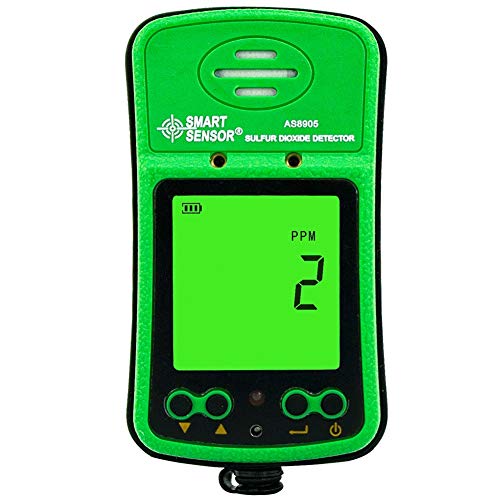
Smart Sensor SO2 Detector Review: 0.1 ppm Steps, No Accuracy Figure
A clip on sulfur dioxide monitor built on an electrochemical sensor, reading 0 to 20 ppm in 0.1 ppm steps, with adjustable high and low alarms signalled by sound, flash and vibration and a rechargeable cell quoted at 8 to 9 hours.
Read More→