As an Amazon Associate, Akermin earns from qualifying purchases. Product links on this page are affiliate links.
Verdict
The Seaward Solar Survey 200R is a five-in-one site survey and commissioning meter: irradiance to the requirements of IEC 62446, a compass, an inclinometer and two temperature channels, with data logging. The current Amazon listing is for the Solar Survey 100, which shares the sensor and the survey functions; the listing itself notes that the suction-mount temperature probe is included with the 200R only, and the manufacturer describes the 200R as the model with logging and a link to Seaward PV testers. For a surveyor pricing a roof, the 100 is enough. For a commissioning engineer who needs irradiance and module temperature recorded against each string test, the 200R is the one to buy, and the documentation supports it as a well-matched companion to a PV tester.
Solar Survey 100 and 200R
| Item | Solar Survey 100 | Solar Survey 200R |
|---|---|---|
| Irradiance to IEC 62446 | Yes | Yes |
| Compass and inclinometer | Yes | Yes |
| Two temperature channels | Yes | Yes |
| Suction-mount temperature probe | Not included | Included (listing) |
| Data logging | No | Yes (manufacturer) |
| Link to Seaward PV tester | No | Yes (manufacturer) |
| Amazon US listing | Yes | Not at the time of writing |
Documented Specifications
| Item | Documentation |
|---|---|
| Irradiance | Measured according to the requirements of IEC 62446 |
| Orientation | Built-in compass and tilt meter for roof orientation and pitch |
| Temperature | Two channels: ambient and surface, with suction-mount probe on the 200R |
| Applications | Solar PV and solar thermal installations |
| Logging | Data logging on the 200R (manufacturer) |
The irradiance range and accuracy, memory capacity and download method are on the manufacturer’s datasheet; consult the current revision.
Irradiance in Commissioning
Module datasheets quote current and power at standard test conditions: a fixed irradiance and a fixed cell temperature. On a roof neither is fixed. A string’s short-circuit current on a hazy afternoon might be half the datasheet figure and still be correct for the light it is receiving. Recording irradiance and module temperature at the moment of each string test allows the reading to be corrected to standard conditions and compared with the datasheet, which is how a weak string is separated from a dull day. The 200R logs those values so the correction can be applied in the report. Our guide to choosing a solar irradiance meter covers what the sensor should be and how it is held.
Site Survey Functions
Before a system is designed, the surveyor needs the roof’s orientation and pitch and an idea of the irradiance at the site. The compass and inclinometer capture the first two; the meter is placed on the roof plane and the values are read. Irradiance at the time of the survey, together with the orientation, feeds a yield estimate. Two temperature channels allow ambient and surface temperature to be recorded, which matters for solar thermal as well as PV. The manufacturer describes the meter as suitable for both.
Using the Suction-Mount Probe
Module temperature is the second correction variable, and reading it by hand while holding an irradiance meter and a string tester is awkward. The suction-mount probe attaches to the back of a module and stays there, so the 200R logs module temperature without a third hand. The listing notes this probe is included with the 200R only, which is one of the practical reasons to prefer it for commissioning work. Ambient temperature on the second channel completes the set, so a commissioning record carries irradiance, module temperature and air temperature for each string together with the orientation data from the survey. That is the information a yield-verification report needs, and it is the reason the 200R is sold as a tester companion rather than as a stand-alone survey meter.
Strengths
- Irradiance measured to the standard commissioning references.
- Compass, inclinometer and two temperature channels in one meter.
- Logging and probe on the 200R suit string-by-string testing.
Limitations
- The 200R is not currently listed on Amazon US; the 100 is.
- Single-purpose survey meter; it does not test strings itself.
- Logging and the tester link add cost over the 100.
How It Compares
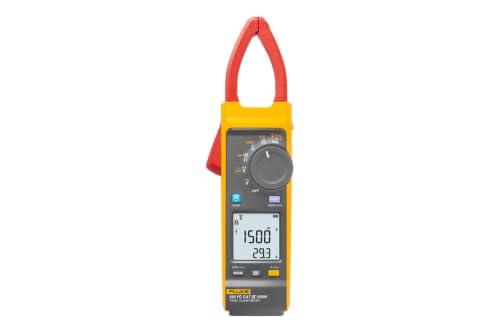
The Solar Survey 100 is the listed sibling for site surveys without logging. The Seaward PV:1525 is the string tester the 200R is designed to accompany. The Fluke 393 FC reads string voltage, current and DC power and is the clamp most often paired with an irradiance meter on 1500 V systems. See building a basic solar testing toolkit for how these fit together.
How We Research
This review is based on the manufacturer’s published documentation for the Solar Survey family and the Amazon listing for the Solar Survey 100. We did not run laboratory tests.
Recommended Tools

Products shown because their documented specifications fit this guide. Price and availability are on Amazon and can change.
Frequently Asked Questions
Which model is on Amazon US?
The Solar Survey 100. The 200R is the higher model in the same family and shares the irradiance sensor, compass, inclinometer and temperature channels; it adds data logging and, per the manufacturer, a link to Seaward PV testers.
Why measure irradiance during a PV test?
String current is proportional to sunlight. A short-circuit current reading can only be compared with the module datasheet when the irradiance at that moment is known.
What is the suction-mount probe for?
It attaches a temperature sensor to the back of a module so module temperature is logged hands-free alongside irradiance and ambient temperature. The listing notes it is included with the 200R.
What do the compass and inclinometer do?
They record roof orientation and pitch for a site survey so a yield estimate can be made and the survey documented.
Affiliate disclosure: Akermin earns a commission from qualifying Amazon purchases made through links on this page. Our editorial picks are based on documented specifications and owner feedback, not commissions.