As an Amazon Associate, Akermin earns from qualifying purchases. Product links on this page are affiliate links.
Gas sensors have finite lives because most of them work by chemical reaction. Electrochemical cells for CO, H₂S and oxygen consume their electrolyte and electrodes and last two to three years, less for oxygen. Catalytic beads for combustibles lose activity with age and can be poisoned outright, giving three to five years. Semiconductor and heated-diode sensors drift and desensitize over one to three years. Infrared sensors, which consume nothing, last five to ten years or more. Domestic CO alarms are built around a sealed cell and expire at seven to ten years, with an end-of-life signal.
Why each type wears out
| Sensor | Mechanism of aging | Typical life | End-of-life signs |
|---|---|---|---|
| Electrochemical (CO, H₂S, Cl₂, NH₃) | Electrolyte consumed by reaction and evaporation; electrode degradation | 2 to 3 years | Slower response, lower span on calibration, failed bump test |
| Electrochemical oxygen (galvanic) | Lead anode consumed continuously by oxygen; life shortens at high O₂ | 1 to 2 years (lead-free designs 3 to 5) | Reads low in air; cannot span |
| Catalytic bead | Catalyst sintering and loss; poisoning by silicones, sulfur, lead | 3 to 5 years; instantly on poisoning | Low or zero response in bump test |
| Semiconductor (MOS) | Sensing film changes with exposure and heat; contamination | 1 to 3 years; some claim 5 to 10 | Baseline drift, reduced sensitivity, slow recovery |
| Heated diode (refrigerant) | Element consumed by decomposition of refrigerant; oil contamination | 100 to 300 hours, 1 to 2 years | Weak or no response to reference leak |
| Photoionization (PID) | Lamp window fouling and lamp aging | Lamp 1 to 2 years; cleanable | Low span; restored by cleaning or lamp change |
| Infrared (NDIR) | Source aging, optical fouling; nothing consumed | 5 to 10+ years | Slow drift; corrected by calibration |
Shelf life
Electrochemical cells begin aging at manufacture. A detector that sat in a warehouse for a year has lost a year of sensor life before its first use. Check date codes on the sensor or the unit; reputable suppliers rotate stock. Oxygen cells in particular are consumed by the oxygen in the air whether the detector is switched on or not.
Domestic alarms
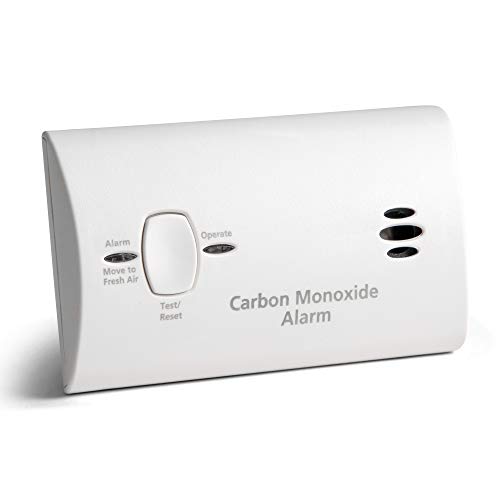
CO alarms and combustible gas alarms for homes are sealed units with a fixed life, usually 7 or 10 years, and a mandatory end-of-life warning under standards such as UL 2034 and EN 50291. The test button checks the horn and electronics, not the sensor, which is why the end-of-life date is enforced rather than relying on tests. Replace the unit at the date; there is no sensor swap. See CO meter vs CO alarm.
Portable and industrial detectors
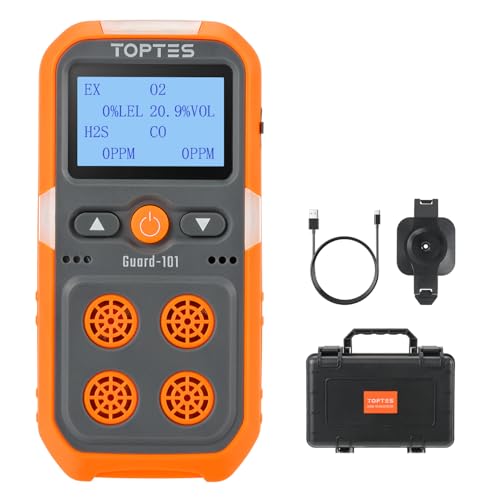
Sensors are field-replaceable modules. Docking stations track sensor age and span history and flag cells approaching end of life. A calibration that cannot reach span, or a bump test that passes but slower each time, is the signal. Keep spare sensors for the types with short lives and log installation dates. See why gas detectors need bump tests and calibration.
Extending life
- Store detectors at room temperature, out of sun, with caps on if supplied.
- Keep catalytic sensors away from silicone sprays, sealants and lubricants.
- Avoid exposing sniffers to concentrated gas or solvent unnecessarily; each hit costs a heated-diode or MOS sensor some life.
- Keep filters clean and dry.
- Switch off electrochemical instruments when not needed; it does not stop aging but avoids exposure.
Planning replacement
Treat sensors as consumables with a budget line: a 4-gas detector will need its electrochemical cells replaced every two to three years and its LEL sensor every three to five. For home alarms, write the replacement year on the unit. For CO₂ and air-quality monitors, whose NDIR sensors last a decade, the concern is drift rather than death; see what sensor drift is. Detectors are covered in the gas detection category.
Recommended Tools
Products shown because their documented specifications fit this guide. Price and availability are on Amazon and can change.
Frequently Asked Questions
How long does a CO alarm last?
Most are rated for 7 to 10 years and have an end-of-life signal (a chirp pattern or display message). The date is printed on the unit. Replace the whole alarm when it expires.
Do gas sensors expire even if never used?
Yes. Electrochemical cells age from manufacture whether or not they see gas, and the clock starts at the factory. Buying a detector with an old manufacture date shortens its useful life.
Which gas sensors last longest?
Infrared sensors, at 5 to 10 years or more, because nothing is consumed. Catalytic beads last 3 to 5 years if not poisoned; electrochemical cells 2 to 3 years.
Affiliate disclosure: Akermin earns a commission from qualifying Amazon purchases made through links on this page. Our editorial picks are based on documented specifications and owner feedback, not commissions.