As an Amazon Associate, Akermin earns from qualifying purchases. Product links on this page are affiliate links.

TOPTES · TOPTES CT-580 Portable Carbon Monoxide Detector, Rechargeable CO Detector with Vibration, Visual & Audible Alarms, 0-1000PPM, TFT Color Display for Home, Camping, Travel, Industrial & Professional Use
View on AmazonPrice and availability are shown on Amazon and can change at any time.
Verdict
The TopTes CT-580 is a carbon monoxide meter rather than an alarm, and the listing is clear about it: a manual inspection tool with a high sensitivity DDS sensor responding within 0.3 seconds, a range of 0 to 1000 ppm, two alarm thresholds, a TFT colour display, three alarm modes covering light, sound and vibration, rechargeable operation, and an advanced menu including alarm history and zero and standard gas calibration. For a technician checking a flue, an appliance or a workshop, that is the right feature set.
Documented Specifications
| Item | Manufacturer listing |
|---|---|
| Sensor | DDS, described as high sensitivity and high accuracy |
| Response | Within 0.3 seconds |
| Range | 0 to 1000 ppm |
| Thresholds | Two alarm levels |
| Alarms | Indicator light, audible, vibration, activating together |
| Display | TFT colour, graphical readout |
| Advanced menu | Alarm history, zero and standard gas calibration |
| Power | Rechargeable |
A Meter Answers a Different Question
An alarm protects people by sounding at a combination of concentration and time that matters to health. It shows no numbers on purpose. A meter shows the concentration continuously and lets you investigate: is the flue drawing, does the reading rise when the appliance fires, does opening a window change it, is there a level at the burner that does not appear in the room?
That is technician work, and the CT-580 is equipped for it. The 0.3 second response matters because you want to see the change as you move the instrument, not thirty seconds later. Two thresholds let you set a working level and an evacuate level. Alarm history lets you review what happened after the event rather than relying on memory.
Calibration Settings Are the Professional Detail
Very few consumer carbon monoxide devices offer calibration at all. The listing states both zero and standard gas calibration, which means the instrument can be maintained rather than simply drifting until it is quietly wrong.
Zeroing in clean air corrects the baseline. Span calibration with a known gas concentration corrects the slope, which is what keeps readings at 50 or 200 ppm meaningful. Doing the first without the second is common and gives false confidence: an instrument that reads zero correctly can still under-report at the levels that matter. Budget for calibration gas if you intend to rely on the readings professionally.
Reading the Numbers Sensibly
Context for carbon monoxide readings is essential and varies by jurisdiction and application, so treat the following as orientation rather than a standard. Well adjusted combustion appliances in good condition should produce very little carbon monoxide in the living space. Any persistent reading in occupied air deserves investigation. Readings in the hundreds in an occupied room are an immediate evacuation matter, not a measurement exercise.
Consult the relevant guidance for your country and trade for actual action levels, and remember that time of exposure matters as much as concentration.
Three Alarm Modes on a Meter
Light, sound and vibration together is more than a meter strictly needs and is welcome anyway. Investigating a combustion problem often happens in a plant room, near a running appliance, or with hearing protection on. A vibration alarm reaches you when the buzzer does not, and on an instrument clipped to your clothing that matters.
Strengths
- Genuine calibration options, both zero and span.
- Fast 0.3 second response for live investigation.
- Alarm history for reviewing an event.
- Triple alarm including vibration.
Limitations
- No accuracy figure or sensor life published.
- Not a certified alarm for protecting a household.
- Calibration gas is an additional cost.
- Rechargeable rather than AA powered, so it needs charging before a job.
How It Compares
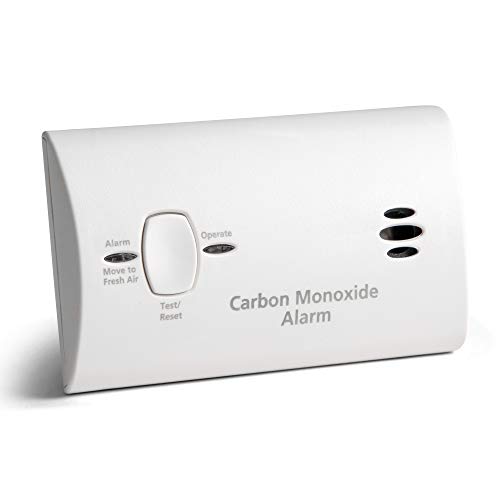
The Kidde portable alarm is the protective device for a room, not a diagnostic one. The distinction is covered in CO meter versus CO alarm. Our ranking is in the carbon monoxide detector roundup.
How We Research
All figures come from the manufacturer listing. We did not run laboratory tests and publish no measurements of our own.
Recommended Tools

Products shown because their documented specifications fit this guide. Price and availability are on Amazon and can change.
Frequently Asked Questions
What range does it cover?
The listing states 0 to 1000 ppm with two alarm thresholds, and a response within 0.3 seconds from a high sensitivity DDS sensor.
Can it be calibrated?
Yes. The listing states advanced menu options including alarm history and both zero and standard gas calibration settings, which is unusual at this level and is what makes readings maintainable.
Is this a replacement for a home CO alarm?
No. It is described as a manual inspection tool. A fixed or portable alarm that meets the relevant standard is what protects a sleeping household; this is a meter for looking at a problem.
What alarm modes does it have?
The listing states three: indicator light, audible alarm and vibration, all activating together when the threshold is reached.
Affiliate disclosure: Akermin earns a commission from qualifying Amazon purchases made through links on this page. Our editorial picks are based on documented specifications and owner feedback, not commissions.