As an Amazon Associate, Akermin earns from qualifying purchases. Product links on this page are affiliate links.
Gas detectors give false readings when something other than the target gas triggers the sensor (a false positive) or when the sensor fails to respond to gas that is present (a false negative). Each sensor type has known interferents: electrochemical CO cells respond to hydrogen, semiconductor sniffers to alcohols and solvents, PIDs to humidity, and catalytic beads stop working after exposure to silicones. Temperature, pressure and radio interference add smaller effects. The safe rule is that an alarm is real until a second method proves otherwise, while a silent detector is only trustworthy if it passed a bump test today.
False positives by sensor type
| Sensor | Target | Common interferents |
|---|---|---|
| Electrochemical CO | Carbon monoxide | Hydrogen (battery charging, some industrial processes), acetylene, ethylene, alcohol vapor, hydrogen sulfide; some cells carry a filter to reduce these |
| Electrochemical H₂S | Hydrogen sulfide | Sulfur dioxide, nitrogen dioxide, mercaptans, some solvents |
| Electrochemical O₂ | Oxygen | Pressure changes read as oxygen changes; CO₂ at high concentration affects some cells |
| Semiconductor (MOS) | Combustibles, refrigerants | Alcohols, cleaners, aerosols, fragrances, exhaust, steam, sealants; humidity changes |
| Catalytic bead | Combustibles | Few false positives; false negatives from poisoning are the issue |
| Photoionization (PID) | VOCs | High humidity suppresses or raises readings; any ionizable gas counts |
| Heated diode | Refrigerants | Some oils, brake cleaner, flux, halogenated solvents |
| Infrared | Hydrocarbons, CO₂, refrigerants | Very few; overlapping absorption from other hydrocarbons in some cells |
False negatives
- Poisoning. Silicones (sealants, lubricants, some hand creams), lead, sulfur and phosphorus compounds coat catalytic beads. The sensor reads zero in gas and looks normal in air.
- Depletion. Electrochemical cells use up electrolyte; response fades over two to three years. See sensor lifespan.
- Blocked inlet. Dust, water or oil on the filter stops gas reaching the sensor.
- Oxygen deficiency. Catalytic beads need oxygen to burn gas; in an inert or oxygen-poor space they under-read combustibles badly.
- Wrong gas. A halogen refrigerant detector does not see propane; a methane-calibrated LEL sensor under-reads heavier hydrocarbons without a correction factor.
- Over-range. Some catalytic sensors exposed to very high concentrations burn out or read low; instruments latch an over-range alarm to warn of this.
- Cold. Slows every sensor; see why response time matters.
Environmental effects
- Humidity. Rapid changes shift semiconductor and PID readings; condensation on any sensor is a fault condition.
- Temperature. Moving a detector from a cold van into a warm building produces a drifting reading for several minutes.
- Pressure. Oxygen sensors read partial pressure; altitude and pressurized spaces shift the reading.
- Radio interference. Two-way radios and phones near an unshielded detector can cause spikes; certified instruments are tested for this.
Telling false from real
- Treat the alarm as real: leave, ventilate, investigate from a safe place.
- Check for the known interferent: batteries charging, cleaning just done, solvent open, aerosol used.
- Confirm with a second, different method: another detector with a different sensor type, a leak-detection fluid, a laboratory sample.
- Move the detector to clean air; a false reading from an interferent clears; a real gas source persists at the location.
- Record the event; repeated false alarms point to a sensor choice or placement problem.
Bump testing catches most false negatives before they matter; see why gas detectors need bump tests and calibration. The same logic applies to air-quality sensors that estimate CO₂ from VOCs; see NDIR vs metal-oxide sensors. Instruments are in the gas detection category.
Recommended Tools
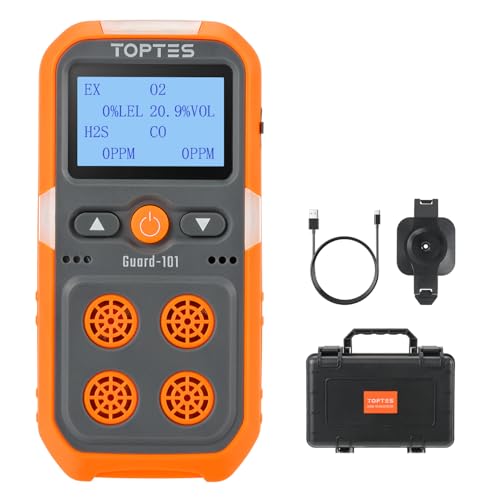

Products shown because their documented specifications fit this guide. Price and availability are on Amazon and can change.
Frequently Asked Questions
Why does my CO detector alarm when there is no CO?
Hydrogen from charging lead-acid batteries is the classic cause; electrochemical CO cells respond to it strongly. Some also respond to alcohol vapor, acetylene and sulfur compounds.
Why does my gas leak detector beep near cleaning products?
Semiconductor sensors respond to alcohols, solvents, aerosol propellants and fragrances as well as fuel gases. Let the area clear and retest.
Can a gas detector read zero when gas is present?
Yes. A poisoned catalytic bead, a depleted electrochemical cell, a blocked filter, or a gas the sensor does not detect all give false negatives. That is what bump tests are for.
Affiliate disclosure: Akermin earns a commission from qualifying Amazon purchases made through links on this page. Our editorial picks are based on documented specifications and owner feedback, not commissions.