As an Amazon Associate, Akermin earns from qualifying purchases. Product links on this page are affiliate links.
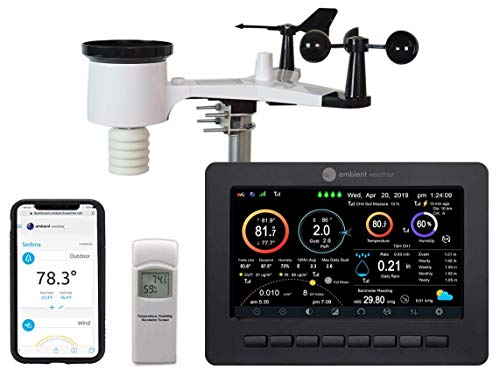
Ambient Weather · Ambient Weather WS-2000 Smart Weather Station | With Wi-Fi Remote Monitoring and Alerts
View on AmazonPrice and availability are shown on Amazon and can change at any time.
The WS-2000 is a sensible choice if you want one integrated array measuring wind, temperature, humidity, rain, UV and solar radiation, feeding a colour console and a Wi-Fi link to a personal weather station network. The listing states the console runs from a supplied 5V DC adapter and the array needs three AAA batteries, which are not included. What the listing does not publish is any accuracy figure for temperature, humidity, wind or rain, so treat the first hour as a siting and pairing exercise rather than a calibration one. Put the array where wind and rain reach it, pair the console, and check that the readings move in the way the weather outside is actually moving.
From box to console power: what the first ten minutes actually involve
The listing describes a TFT colour display console powered by a 5V DC adapter, which is included, and an all-in-one sensor array that runs on three AAA batteries, which are not. That single sentence sets the shape of the first ten minutes. You need a free socket near where the console will sit and you need three AAA cells before you can expect the array to report anything.
The array is described as integrated, meaning wind speed and direction, temperature, humidity, rainfall, UV and solar radiation all come from one housing. That is a real convenience at installation time because there is one mounting point rather than several. It also means the siting decision is a single decision: wherever you put that one array is where every one of those measurements will be taken. The listing does not publish a mounting pole diameter, a cable length or a recommended height, so those are questions for the manufacturer’s manual rather than this page.
Fit the batteries, power the console, and give the two time to find each other. The listing does not state a pairing procedure or a claimed wireless range, so if the console does not show outdoor values after a reasonable wait, move the console closer before assuming a fault.
What the six measured quantities mean when you are standing in the garden
The array measures wind speed and direction, temperature, humidity, rainfall, UV and solar radiation. Each of those is a different physical sensor with a different idea of what a good reading looks like, and the first hour is a good time to understand the differences.
- Wind speed and direction are the most siting-sensitive values on the array. Wind accelerates over roofs and around walls, so a reading taken close to a building can be higher or more turbulent than the true open-air value. The listing publishes no accuracy figure, so the practical check is whether the direction matches what you feel and whether the speed responds when a gust arrives.
- Temperature and humidity are affected by the same siting. A sensor in direct sun reads high; a sensor over a patio reads warm and damp. The listing does not publish an accuracy figure for either, so the useful first-hour test is to compare the console against a known shaded thermometer and note the offset.
- Rainfall is a tipping-bucket or equivalent mechanism in most integrated arrays. It needs to be level and unobstructed. The listing does not state the resolution of the rain measurement, so do not assume a particular increment per tip.
- UV and solar radiation are the two values most often ignored and most often misread. They respond to sun angle and cloud, and the listing publishes no accuracy figure for either.
If you want a broader grounding in what these instruments are for, the site’s guide to weather stations for the home covers the category, and the barometer selection guide is useful if pressure is your main interest, though the WS-2000 listing does not mention a barometer at all.
The Wi-Fi link and the network the listing names but does not describe
The listing states an enhanced Wi-Fi connectivity option that lets the station transmit its data wirelessly to the world’s largest personal weather station network. It does not name the network, does not publish a setup procedure, and does not state what happens to the data once it is uploaded. Those are reasonable questions to ask before buying, and this page cannot answer them from the listing alone.
What the first hour should establish is whether the console is receiving the array reliably before you add the network step. A station that is struggling to hear its own sensor will not be improved by a Wi-Fi connection. Get local reception working first, then attempt the upload. The listing also states support for both imperial and metric units with calibration available, so decide which units you want before you start comparing readings with neighbours or with online sources.
The calibration option matters more than it sounds. Because the listing publishes no accuracy figures, calibration is the mechanism by which you bring the station into agreement with a reference you trust. It is not a substitute for correct siting, and it should not be used to hide a sensor that is in the wrong place.
Where the first believable reading comes from, and where it does not
A believable reading is not a number that appears on the console. It is a number that behaves the way the weather behaves. In the first hour, watch for three things. First, does the wind direction change when the wind changes? Second, does the temperature fall when a cloud passes and rise when the sun returns? Third, does the rain reading stay at zero on a dry day and increment when rain actually falls?
If any of those fail, the problem is almost always siting or pairing, not the instrument. The listing gives you no diagnostic mode and no accuracy specification, so the console’s own numbers are your only evidence. That is why the first hour is worth spending deliberately.
It is also worth being clear about what the WS-2000 is not. It is a monitoring station, not an alarm. The listing describes no audible alert, no threshold notification and no alarm output. If you need to be warned when a condition is exceeded, this listing does not state that the WS-2000 does that. For work where a warning matters, the site’s material on weather stations for construction sites discusses the wider question of what a station is expected to do on site.
The figures the listing withholds, and why that should shape your expectations
The WS-2000 listing is unusually clear about what the station measures and unusually quiet about how well it measures it. There is no published accuracy for temperature, humidity, wind speed, wind direction, rainfall, UV or solar radiation. There is no stated measurement range for any of those quantities. There is no stated wireless range between array and console, no stated update interval and no stated rain resolution.
Those omissions are not a reason to avoid the product, but they are a reason to buy it for the right job. If your work needs a documented accuracy figure, a calibration certificate or a traceable reference, this listing does not give you one. The site’s comparison of portable weather meters covers instruments where the published specification is the point. The WS-2000 is better understood as a home and backyard station that reports a coherent set of conditions, with calibration available to bring it into line with a reference you supply.
One further caution: the listing mentions UV and solar radiation but publishes no figures for either. Treat those two channels as indicative unless you have a reference to compare against.
Should the WS-2000 be your first weather station?
If you want one integrated array and a colour console that together report wind, temperature, humidity, rain, UV and solar radiation, and you are willing to spend the first hour on siting and pairing rather than on calibration, the WS-2000 fits that job. The listing is honest about what it measures and silent about how accurately, so buy it as a home and backyard station, not as a reference instrument. Confirm before purchase that the three AAA batteries are on hand and that the console has a socket where you intend to put it. If you need published accuracy figures or a calibration certificate, this listing does not provide them and you should look at instruments that do.
Recommended Tools


Products shown because their documented specifications fit this guide. Price and availability are on Amazon and can change.
Frequently Asked Questions
Does the WS-2000 come with batteries?
The listing states the console is powered by a 5V DC adapter, which is included, and the sensor array requires three AAA batteries, which are not included. You will need to supply the AAA cells before the array can report.
What accuracy does the WS-2000 publish for temperature, humidity, wind or rain?
The listing does not publish an accuracy figure for any of the measured quantities. It states that calibration is available, which lets you bring the readings into agreement with a reference you trust, but it does not state a factory accuracy specification.
Which weather network does the Wi-Fi option connect to?
The listing refers to the world's largest personal weather station network but does not name it or describe the setup procedure. That detail is not stated in the listing bullets.
Can the WS-2000 warn me when wind or rain exceeds a threshold?
The listing describes a monitoring station with a colour console and Wi-Fi upload. It does not state any alarm, alert or threshold notification function, so you should not assume one.
Does the console show barometric pressure?
The listing does not mention pressure among the measured quantities. It lists wind speed and direction, temperature, humidity, rainfall, UV and solar radiation. If pressure is important to you, that specification is not stated in the listing bullets.
How far can the array be from the console?
The listing does not publish a wireless range between the sensor array and the console. If you plan a long separation, that figure is not stated and you should not assume a particular distance.
Affiliate disclosure: Akermin earns a commission from qualifying Amazon purchases made through links on this page. Our editorial picks are based on documented specifications and owner feedback, not commissions.