As an Amazon Associate, Akermin earns from qualifying purchases. Product links on this page are affiliate links.

Goldeep · Decibel Meter, Goldeep Sound Level Meter, Portable SPL Tester-Bright Orange | Range 30-130dB, A/C Weighted DB Meter with dB/SONE, Fast/Slow, MAX/MIN, LCD Screen Sound Meter for Home & Factory Use
View on AmazonPrice and availability are shown on Amazon and can change at any time.
The Goldeep SL750A is a sensible first sound level meter for a homeowner checking neighbour noise, a music teacher setting instrument levels, or a facilities person doing informal walk-round checks. Its listing states a 30-130 dB range, plus or minus 1.5 dB accuracy, A and C weighting, fast and slow response, and MAX/MIN tracking. It is the wrong tool for anyone who needs a meter that conforms to a sound level meter standard, because the listing does not claim IEC 61672 compliance or mention a calibration certificate. If your work has to stand up in a report or a dispute, look at a Class 2 meter instead, such as the CRYSOUND CRY2831 covered elsewhere on this site.
The specification that tells you what this meter is, and what it is not
The single most important line in the Goldeep listing is the accuracy figure: plus or minus 1.5 dB. That is a realistic figure for a consumer sound level meter, and it is honest. For context, a 1.5 dB error is roughly the difference between two people talking at slightly different volumes. It is fine for answering “is this noise annoyingly loud?” but it is not fine for proving a legal noise limit has been breached, because the meter’s own uncertainty is larger than the margins those limits often work to.
Equally telling is what the listing does not publish. There is no claim of compliance with IEC 61672, the international standard that defines what a sound level meter must do to be called one. There is no mention of a calibration certificate, no reference to a calibration screw or adjustment procedure, and no stated operating temperature range. Those omissions are normal at this end of the market, but they matter. A meter without a calibration route is a screening tool. That is not a criticism, as long as you buy it knowing that.
The 30 to 130 dB span is wide enough for almost any everyday environment. A quiet bedroom sits near the bottom of that range, a busy workshop or a loud concert near the top. The 31.5 Hz to 8 kHz frequency response covers the sounds people actually complain about, from low traffic rumble to the high whine of a power tool. What the listing does not say is how flat that response is across the band, so treat the range as a coverage claim rather than a precision claim.
A-weighting, C-weighting and SONE: what each setting is for
The Goldeep offers two weighting curves, and the difference between them is the difference between measuring what a sound physically is and measuring how loud it seems.
A-weighting rolls off low and very high frequencies to approximate the sensitivity of the human ear. The listing positions it for environmental noise: traffic, schools, offices, construction sites. That is the correct use. If you are standing in your garden at 11pm wondering whether the road is unusually loud, A-weighting is the setting that matches your annoyance.
C-weighting is flatter, so it keeps more of the low-frequency energy that A-weighting discards. The listing describes it for industrial machinery, aerospace and high-speed rail. The logic is that very loud low-frequency sound is felt as well as heard, and C-weighting captures that energy better. For a homeowner, C-weighting is the setting to try when a noise is more of a physical throb than a clear sound, such as a distant compressor or a bass-heavy sound system.
SONE is different again. It is a unit of perceived loudness rather than sound pressure, and the listing offers it for music, audio systems and instrument checks. Owners report that SONE is useful for comparing one source against another, but it is not a substitute for dB when you need to compare against a published limit. Use it as a relative tool, not an absolute one.
Fast, slow, max and min: reading a changing noise correctly
Sound is rarely steady, and the response setting decides how the meter averages it. The listing gives FAST as 0.125 seconds per reading and SLOW as 1 second per reading. Those are standard time constants, and they exist because a meter that reacted instantly would be unreadable.
FAST is the setting for noise that changes quickly: a door slamming, a dog barking, a piece of machinery cycling on and off. It follows the peaks closely enough that you can see them. SLOW smooths the reading over a second, which is what you want for a steady hum from a fan, a road, or a fridge. If you are trying to characterise a constant noise, SLOW gives you a number you can actually write down.
MAX and MIN tracking is the feature that makes the meter useful for complaint work. Set it running, leave it for a period, and it holds the highest and lowest readings it saw. That lets you catch a short event you might have missed while looking away. The listing does not state how the MAX/MIN memory is reset, so check the manual when it arrives. It also does not state whether MAX/MIN works in both FAST and SLOW modes, which is a gap worth knowing about.
Where the Goldeep SL750A is the right purchase
This meter suits the buyer who wants a number, not a certificate. A tenant who suspects the neighbours are genuinely loud and wants to know whether the noise is in the 50 dB range or the 80 dB range will get a useful answer. A music teacher checking that a practice room is not damaging young ears will get a useful answer. A facilities assistant doing a quick walk-round of an office to find the noisy printer will get a useful answer.
The inclusion of a windbreak ball in the package is a practical detail. Wind across a microphone creates low-frequency noise that inflates the reading, so the foam ball is not a gimmick. The listing also includes two AAA batteries and a manual, so the meter works out of the box. The anti-slip grip and data hold are small conveniences that matter when you are holding the meter at arm’s length to keep your own body from reflecting sound back into it.
If you are building a wider monitoring setup, the Goldeep can sit alongside other instruments. Our guide to the best sound level meters sets out the wider field, and how to choose a sound level meter explains the standard classes in more detail.
The buyer this meter is wrong for
Do not buy the Goldeep SL750A if you need a measurement that will be relied on by anyone else. That includes environmental health officers, acoustic consultants, workplace safety officers documenting noise exposure, and anyone preparing evidence for a dispute. Those users need a meter that conforms to IEC 61672 Class 2 or better, with a calibration certificate and a documented calibration history. The Goldeep listing makes no such claim, and no amount of careful use will turn a consumer meter into a compliant one.
It is also the wrong tool for measuring very low or very high sound levels outside its stated range. The listing gives 30 dB as the floor, so it cannot tell you how quiet a library or a recording studio really is. At the top end, 130 dB is loud enough for most industrial settings, but the listing does not state the meter’s tolerance at that extreme, so do not rely on it for peak impulse noise from presses or firearms.
Finally, it is not an alarm or a dosimeter. It measures at the moment you hold it. It does not log over a shift, it does not calculate a daily noise dose, and it does not warn you when a limit is crossed. If those are your requirements, a Class 2 meter with logging is the correct purchase, and our workshop decibel meter guide covers that ground.
The verdict on the Goldeep SL750A
The Goldeep SL750A is a fair, honest consumer sound level meter. Its published specification of 30 to 130 dB, plus or minus 1.5 dB, A and C weighting, FAST and SLOW response and MAX/MIN tracking is enough for the everyday questions most people actually have about noise. It is not a compliance instrument, and the listing does not pretend it is. Buy it if you want a useful number at a low cost. Do not buy it if the number has to stand up to scrutiny, because for that you need a calibrated Class 2 meter such as the CRYSOUND CRY2831, which is a different product at a different level of the market.
Recommended Tools


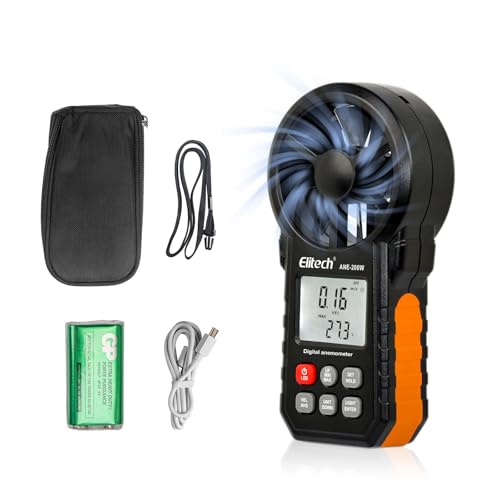
Products shown because their documented specifications fit this guide. Price and availability are on Amazon and can change.
Frequently Asked Questions
Is the Goldeep SL750A accurate enough to complain about neighbour noise?
It is accurate enough to tell you roughly how loud the noise is, which is often all a neighbour dispute needs at the informal stage. The listing states plus or minus 1.5 dB, so a reading of 55 dB could really be anywhere from about 53.5 to 56.5 dB. That is fine for a conversation. It is not fine as evidence, because a formal complaint usually needs a calibrated meter that meets a recognised standard, and the listing does not claim that.
Does the meter come with a calibration certificate?
The listing does not mention one. It lists the package contents as the meter, two AAA batteries and a user manual. If a calibration certificate is a requirement for your work, this is not the right meter.
What is the difference between A-weighting and C-weighting on this meter?
A-weighting is shaped to match how the human ear responds and is the usual setting for environmental and community noise. C-weighting keeps more low-frequency energy and is the setting the listing recommends for industrial machinery and other high-intensity sources. For most home noise questions, start with A-weighting.
Can it measure very quiet rooms or very loud machinery?
The stated range is 30 to 130 dB. Below 30 dB the meter has no published capability, so it cannot tell you how quiet a room is. At the top end, 130 dB is high, but the listing does not publish the accuracy at that extreme, so treat readings near the limit with caution.
Does it record or log readings over time?
The listing describes MAX/MIN tracking, which holds the highest and lowest values seen during a session, but it does not describe logging or data export. If you need a record of how noise varied over an hour or a shift, this meter is not designed for that.
What is SONE mode actually for?
SONE is a unit of perceived loudness rather than sound pressure. The listing suggests it for music, audio systems and instrument checks. It is useful for comparing one sound source against another, but it is not a substitute for dB when you are comparing against a published noise limit.
Affiliate disclosure: Akermin earns a commission from qualifying Amazon purchases made through links on this page. Our editorial picks are based on documented specifications and owner feedback, not commissions.