As an Amazon Associate, Akermin earns from qualifying purchases. Product links on this page are affiliate links.

KLEIN TOOLS · Klein Tools RT110 Outlet Tester, AC Electrical Receptacle Tester for North American Outlets
View on AmazonPrice and availability are shown on Amazon and can change at any time.
The Klein Tools RT110 is a basic three-light receptacle tester for 110/125 V AC, 50/60 Hz, three-wire North American outlets. The listing states that it conforms to UL 1436 and CSA C22.2 #160, survives a 6.6-foot drop, and operates from 32 to 140 degrees F. It does not publish a fault-code table, a voltage measurement accuracy, a ground impedance threshold or a GFCI test function. If you need a number rather than a light pattern, or you need to test AFCI/GFCI protection, this is not the instrument for that job. Buy it for quick go/no-go wiring checks, not for diagnosis.
What the RT110 actually tells you, and what it only implies
The RT110 is a three-light tester. The listing says the light sequence indicates correct or incorrect wiring, which is the standard mechanism for this class of tool: three neon or LED indicators across the hot, neutral and ground pins produce a pattern, and the pattern maps to a wiring condition. The listing does not publish that map. It does not tell you which combination means an open ground, which means reversed polarity, which means a hot-neutral swap, or which means two hot legs on a 120 V receptacle.
That omission matters more than it sounds. On a three-light tester the value is entirely in the decoding. A tester that lights up in an unfamiliar pattern and gives you no table is a tester you have to look up every time, or guess at. Before you rely on the RT110 for anything beyond a simple correct/incorrect check, ask Klein for the fault table, or find it printed on the card that ships with the unit. The listing alone does not give it to you.
What the listing does publish is the electrical envelope: 110/125 V AC at 50/60 Hz, three-wire outlets. That is the North American branch-circuit receptacle, and it is the only thing this tester is meant to be plugged into. It is not a 240 V device, not a European or UK device, and not a multi-voltage travel tester.
The standards claim is the strongest published fact
The listing states conformance to UL Std 1436 and certification to CSA Std C22.2 #160. Those are the standards that cover receptacle testers, and the claim is worth taking seriously because it is one of the few things on the page that is verifiable against a published standard rather than a marketing description. UL 1436 covers the construction and performance of outlet testers, including the indicator behaviour and the voltage and temperature ratings. CSA C22.2 #160 is the Canadian counterpart.
What the standards claim does not tell you is the accuracy of the voltage indication. The RT110 is not a voltmeter. It does not publish a voltage reading, a tolerance, or a measurement resolution. It tells you whether the wiring is correct, not what the voltage is. If you need to know that a receptacle is sitting at 118 V rather than 124 V, this tool cannot tell you, and the listing does not pretend it can.
The temperature range is published: 32 to 140 degrees F, or 0 to 40 degrees C. That is a working range, not a storage range, and it is ordinary for a handheld tester. It means the RT110 is fine in a conditioned building and fine in most outdoor work in temperate weather, but it is not a tool for a freezer or a roof in direct summer sun beyond that ceiling. The listing does not publish a storage temperature, an IP rating or a humidity limit.
Durability, drop rating, and the missing ingress rating
The listing says the RT110 is built to withstand a 6.6-foot, or 2-metre, drop. That is a useful published figure because it tells you the housing and the internal mounting are designed for the kind of fall a tester takes when it slips out of a pocket or off a receptacle. It does not tell you the tester is waterproof, dust-tight or rated for wet locations. No IP rating is published in the listing bullets.
That silence is worth flagging. A drop-rated tester is not the same as a weather-rated tester. If you work on exterior receptacles in rain, or in a dusty renovation, the RT110 has a published drop specification and no published ingress specification. Treat it as an indoor and dry-location tool until the manufacturer says otherwise. The listing does not publish a warranty term either, so the durability claim is a design claim, not a service claim.
The 2-metre drop figure also does not tell you what happens after the drop. A tester can survive the fall and still be out of calibration or have a cracked internal contact. The listing publishes the drop height, not a post-drop performance guarantee.
What a three-light tester cannot do, regardless of brand
This is the part the listing leaves out entirely, and it is the part that decides whether the RT110 is the right purchase. A three-light tester checks the presence and rough relationship of hot, neutral and ground at the receptacle. It does not measure ground impedance. It does not measure the voltage drop under load. It does not test the GFCI or AFCI trip function unless the tester has a dedicated test button, and the RT110 listing does not publish one. It does not detect a shared neutral or a bootleg ground with any certainty, because those conditions can produce a correct-looking light pattern.
A bootleg ground, where the ground pin is bonded to neutral at the receptacle, is the classic false pass. The tester sees a ground and lights as correct. The circuit is not safely grounded. The listing does not claim the RT110 detects this, and no three-light tester does. If your work requires proving a real equipment ground, you need a tester that injects a load or measures impedance, not a light pattern.
The same limit applies to voltage. The RT110 is rated for 110/125 V. It is not a general-purpose voltage tester and it is not a multimeter. If you need to confirm absence of voltage before working, a non-contact voltage tester or a properly rated multimeter is the instrument, and a plug-in outlet tester is not a substitute for either.
Where the RT110 fits against the other testers on this site
The RT110 is the simplest tool in the electrical testing group here. The Klein RT390 circuit analyzer is the step up when you need more than a light pattern: it is built to analyse the circuit rather than just indicate wiring. If your question is whether a receptacle is wired correctly, the RT110 answers it. If your question is what the circuit is doing under load, the RT110 does not have the mechanism to answer.
The multimeter guide for home electrical work is the right next read if you find yourself wanting a number. A multimeter gives you voltage, continuity and resistance, and it is the tool the RT110 is often mistaken for. The RT110 is faster for a quick pass on a row of receptacles, and that speed is its real advantage. It is not a measuring instrument.
For a broader look at the category, the Klein ET120 review covers a different tester in the same family. The comparison is useful because it shows where the light-pattern approach ends and the measurement approach begins.
Should you buy the RT110?
Buy the RT110 if you want a fast, standards-conformant go/no-go check on North American three-wire receptacles and you accept that it gives you a light pattern rather than a measurement. Do not buy it if you need a fault-code table from the listing alone, a voltage reading, a ground impedance figure, or a GFCI/AFCI test. The listing is honest about what the tool is rated for and silent about the diagnostic detail. That silence is the thing to weigh before you spend.
Recommended Tools


Products shown because their documented specifications fit this guide. Price and availability are on Amazon and can change.
Frequently Asked Questions
Does the RT110 tell me the actual voltage at the outlet?
No. The listing publishes a voltage rating of 110/125 V AC at 50/60 Hz, not a voltage measurement. The tester indicates wiring condition through a light sequence. It does not publish a voltage reading or a tolerance, so it is not a substitute for a multimeter.
Where is the fault-code table?
The listing does not publish one. It states that the light sequence indicates correct or incorrect wiring but does not map the patterns to specific faults. You will need the printed card that ships with the unit or a request to the manufacturer. Do not assume the pattern meanings from another brand.
Can the RT110 test a GFCI receptacle?
The listing does not publish a GFCI test function or a test button. Do not assume it has one. If GFCI testing is part of your work, confirm with the manufacturer before buying, or use a tester that explicitly lists that function.
Will it detect a bootleg ground?
No three-light tester reliably detects a bootleg ground, and the RT110 listing makes no such claim. A bootleg ground can produce a correct-looking light pattern. Proving a real equipment ground requires a tester that measures ground impedance or injects a load.
Is the RT110 waterproof or rated for outdoor use?
The listing publishes a 6.6-foot drop rating and an operating temperature range of 32 to 140 degrees F. It does not publish an IP rating, a humidity limit or a wet-location rating. Treat it as a dry-location tool until the manufacturer states otherwise.
What does the UL 1436 and CSA C22.2 #160 claim actually cover?
Those are the standards for receptacle testers in the US and Canada. The listing states conformance and certification. The standards cover construction and performance of the tester, but they do not turn it into a measuring instrument. The RT110 remains an indicator, not a meter.
Affiliate disclosure: Akermin earns a commission from qualifying Amazon purchases made through links on this page. Our editorial picks are based on documented specifications and owner feedback, not commissions.
Related Guides

Hioki PD3129 Review: A Non-Contact Phase Rotation Meter and Its Ownership Costs
A single-product review of the Hioki PD3129, focused on its non-contact measurement method, published CAT III 600V rating, and the consumable and maintenance questions the listing does not answer.
Read More→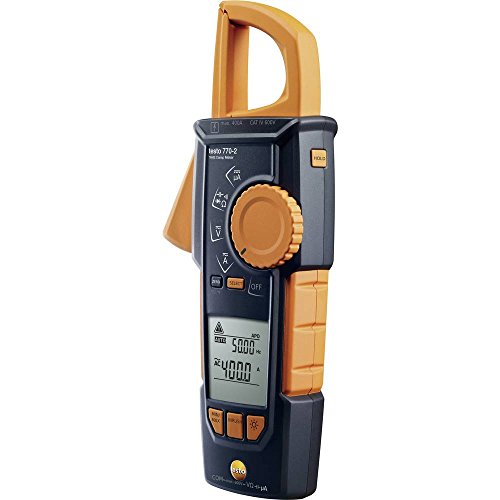
Testo 770-2 Clamp Meter Review: The Hook-Clamp That Decides the Job
A mechanism-first review of the Testo 770-2 hook-clamp meter, including what the listing states, what it omits, and where the hook design stops being the right answer.
Read More→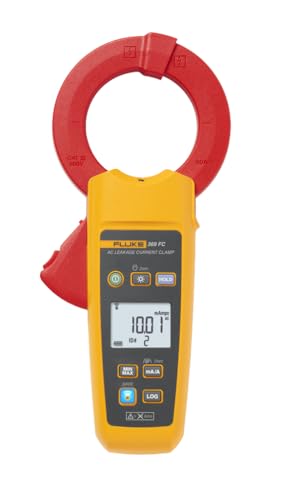
Fluke FLUKE-369 FC Leakage Current Clamp Meter Review: What the Listing Leaves Out
A source-led review of the Fluke 369 FC that highlights the unpublished specifications and their practical consequences.
Read More→