Hygrometer versus humidity: the instrument and the quantity
Humidity is the property of the air and a hygrometer is the device that reports it, and the useful question underneath is which humidity the display is showing.
Read Article→Plain-language explanations of the measurements, sensors and numbers behind environmental monitoring.
Humidity is the property of the air and a hygrometer is the device that reports it, and the useful question underneath is which humidity the display is showing.
Read Article→A hygrometer app cannot measure humidity on its own because phones contain no humidity sensing element, so the useful ones are displays and loggers for a separate sensor.
Read Article→An inspection camera is a miniature lens and light source on the end of a cable, built to show you the inside of a space your eye and your head cannot enter.
Read Article→Reading a hygrometer means reading both numbers together, allowing for the stated tolerance, and giving the sensor time in place before the figure means anything.
Read Article→A hygrometer is any instrument that measures water vapour in air, which is why the word covers hair tension devices, psychrometers and the capacitive sensors sold today.
Read Article→An indoor air quality monitor usually carries four or five sensing elements, and the ten or eleven numbers on its screen are mostly derived from them.
Read Article→
A gooseneck finds leaks faster on fittings you cannot reach: behind ranges, above water heaters, inside RV cabinets. A fixed probe deploys faster in the open.
Read Article→Warm-up brings a sniffer sensor to working temperature and sets its clean-air baseline. Skip it, or run it next to the leak, and the tool under-reads.
Read Article→
Detectors miss tiny leaks when the sweep is fast, sensitivity is wrong, air is moving, the sensor is tired or the zero is off. Slow and close finds them.
Read Article→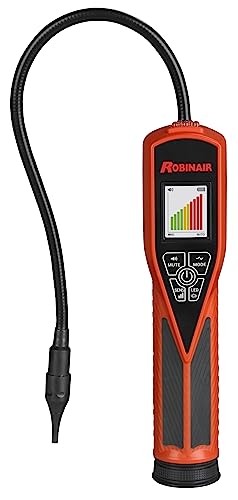
Tracer gas testing fills an empty system with 5 percent hydrogen in 95 percent nitrogen and sweeps with a hydrogen detector. No refrigerant is vented.
Read Article→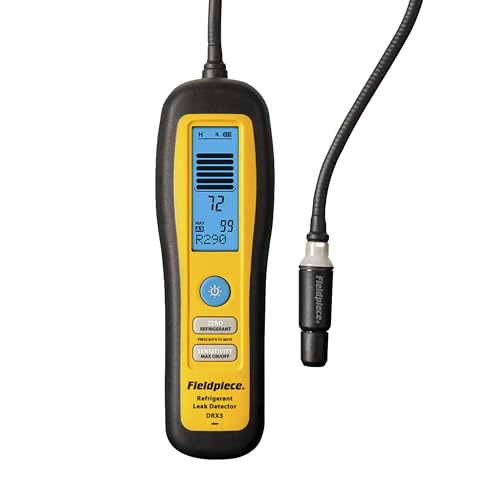
R-32 and R-454B are mildly flammable A2L refrigerants. An older detector may sense them, but unless its maker states A2L suitability it was not built for them.
Read Article→An A2L refrigerant leak detector responds to R-32 and R-454B and is rated for use around a mildly flammable gas. Check the listing for the A2L label first.
Read Article→