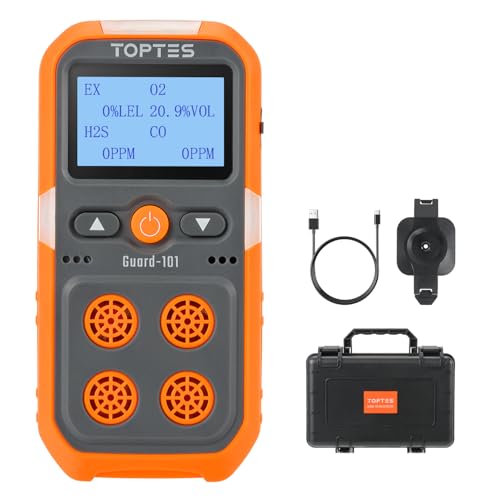
Gas Detector vs Multi-Gas Detector: Home Alarm or Confined-Space Monitor?
A gas detector is a fixed home alarm for one fuel. A multi-gas detector is a wearable confined-space monitor that reads LEL, oxygen, CO and H2S together.
Read Article→Plain-language explanations of the measurements, sensors and numbers behind environmental monitoring.
A gas detector is a fixed home alarm for one fuel. A multi-gas detector is a wearable confined-space monitor that reads LEL, oxygen, CO and H2S together.
Read Article→
The power of sunlight arriving on a surface, in watts per square meter. The input side of every solar calculation.
Read Article→
One device at a time, or the whole house by circuit. Different questions, and most homes benefit from both.
Read Article→Off is rarely off. Remote receivers, clocks, network links and chargers keep drawing watts around the clock.
Read Article→0.1 kWh per hour, 2.4 kWh per day if it never stops. At a typical tariff, a few cents an hour.
Read Article→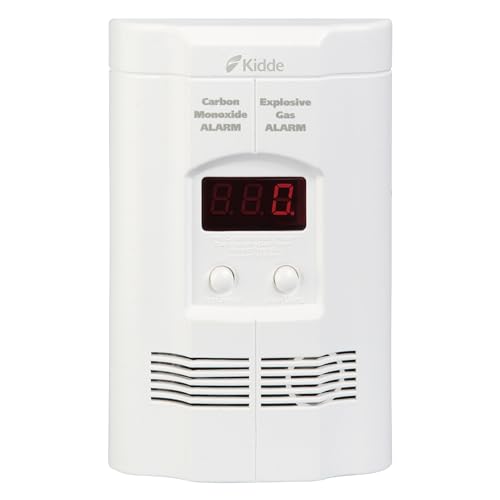
Test button: power and horn on a fixed alarm. Unlit-lighter butane puff: sensor response on a handheld sniffer. Bump test: accuracy on meters that show a number.
Read Article→One thousand watts for one hour. The unit on your bill, and the one that turns wattage into money.
Read Article→Pressure, flow and power. Volts push, amps flow, watts is the work getting done.
Read Article→Put a combustible gas alarm in the same room as the furnace or water heater, high for natural gas or low for propane, and out of the heat and exhaust path.
Read Article→
LEL is the lowest gas concentration in air that can ignite. A 10 percent LEL reading means one tenth of that amount. Fixed alarms trip at 10 to 25 percent LEL.
Read Article→
An unbroken path for current. The beeper is a resistance test with a threshold, so you can keep your eyes on the probes.
Read Article→
Natural gas smells like rotten eggs or sulfur, but only because utilities add a mercaptan odorant. Raw methane has no smell at all.
Read Article→