
Infrared vs Heated-Diode Refrigerant Leak Detectors
Heated diode: cheap, sensitive, short-lived, prone to false alarms. Infrared: selective, durable, A2L-ready, pricier.
Read Article→Plain-language explanations of the measurements, sensors and numbers behind environmental monitoring.
Heated diode: cheap, sensitive, short-lived, prone to false alarms. Infrared: selective, durable, A2L-ready, pricier.
Read Article→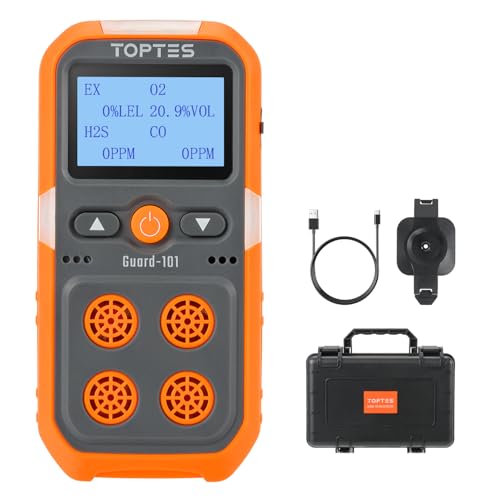
An infrared gas detector measures how much infrared light hydrocarbons absorb. No oxygen needed, no poisoning, fail-safe, long-lived, but blind to hydrogen.
Read Article→
A sniffer for HFC, HFO, CO₂ and hydrocarbon refrigerants. The sensor type decides which it can find and how small.
Read Article→A catalytic bead sensor burns gas on a heated catalyst and reads the heat as a bridge imbalance in percent LEL. It needs oxygen and can be poisoned.
Read Article→ppm counts molecules; %LEL says how close to burning. The same leak reads very differently on each.
Read Article→
A MOS gas sensor is a heated tin-oxide element whose resistance drops in methane or propane. Sensitive and small, but it drifts and reacts to solvents.
Read Article→
Mount high near a natural gas water heater or low near stored propane, on a garage side wall away from the overhead door, gas cans and vehicle exhaust.
Read Article→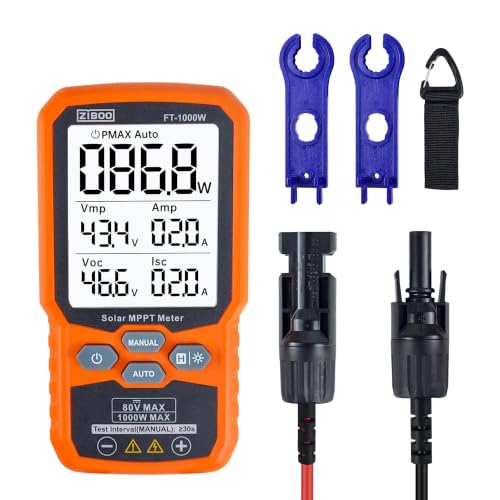
Voc is the voltage with nothing connected; Vmp is the voltage where the panel delivers its power. Both matter, for different reasons.
Read Article→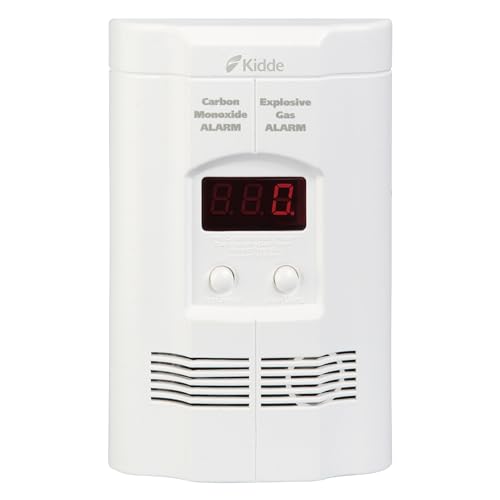
Mount a basement gas alarm near the appliances: high in the joist area for natural gas, low on a wall for propane, clear of the stairwell, dryer vent and sump.
Read Article→
Sun angle, air mass, clouds and heat draw the familiar bell curve, and a few things bend it.
Read Article→
Not for combustible gas, unless the bedroom itself has a gas appliance. A CO alarm outside every sleeping area is the device the bedroom actually needs.
Read Article→Output follows irradiance almost linearly, then temperature, soiling and wiring take their cut.
Read Article→