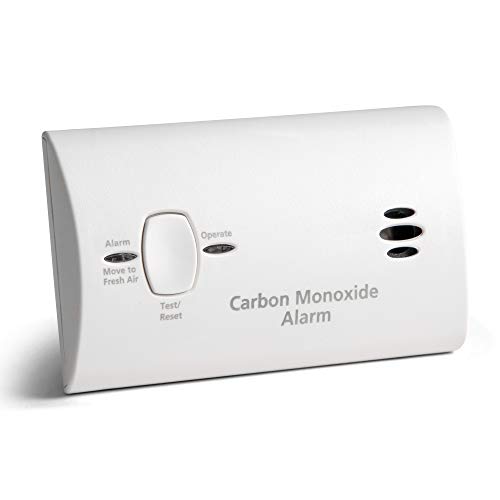
Sensor Lifespan: Why Gas Detectors Do Not Last Forever
Electrochemical cells consume themselves, catalytic beads get poisoned, semiconductors age. Every gas sensor has an expiry.
Read Article→Plain-language explanations of the measurements, sensors and numbers behind environmental monitoring.
Electrochemical cells consume themselves, catalytic beads get poisoned, semiconductors age. Every gas sensor has an expiry.
Read Article→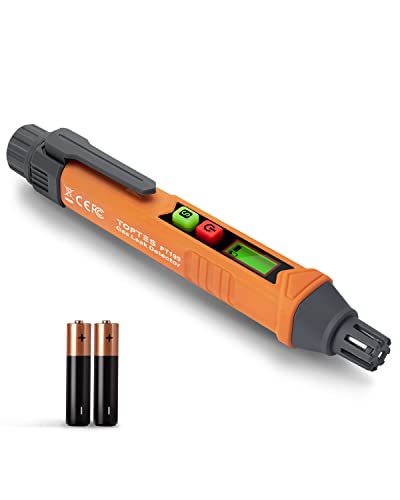
Handheld sniffers find small leaks, down to about 50 ppm methane on common models. Fixed alarms ignore them by design and sound only at a fraction of the LEL.
Read Article→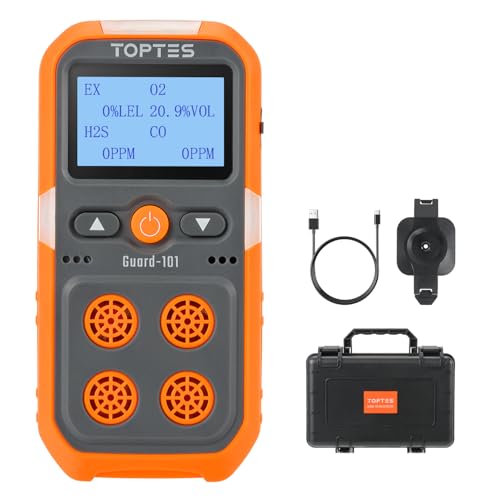
Cross-sensitivity, interferents, humidity, poisoning and a dozen everyday chemicals. Know them before dismissing an alarm.
Read Article→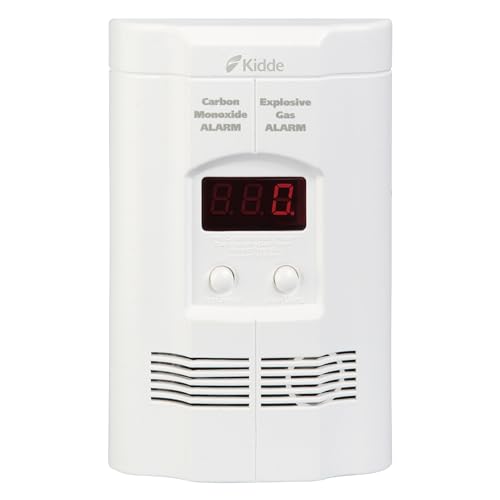
A loud continuous alarm means gas: leave. A single chirp at a steady interval means low battery, a fault or end of life. Match the pattern to the manual.
Read Article→T90 is how long the sensor takes to reach 90 percent of the truth. In a leak search or a confined space, seconds are the difference.
Read Article→
Replace a gas detector at its stated service life, at an end-of-life signal, after two failed tests, or after flooding, fire, solvents or a heavy leak.
Read Article→
An alarm protects sleeping people. A meter finds the source. A home needs the alarm; a technician needs the meter.
Read Article→Test a fixed gas alarm with its button once a month, check a handheld sniffer before every use, and bump test any instrument used for safety decisions.
Read Article→Four sensors in one box: oxygen, combustibles, carbon monoxide, hydrogen sulfide. The confined-space standard.
Read Article→Multi-gas monitors calibrate with certified gas through a hood. Sniffers only auto-zero. Home alarms cannot be calibrated; test them and replace on schedule.
Read Article→A gas detector that has not been challenged with gas is an assumption. Bump tests prove it responds; calibration proves it reads right.
Read Article→Sniffers list floors of about 40 to 100 ppm of methane, a fraction of a percent of LEL. Home alarms deliberately trip much later, at 10 to 25 percent LEL.
Read Article→