
Pin vs Pinless Moisture Meters: How They Differ
Pins measure at the point they pierce; pads scan without marking. Most inspectors carry both.
Read Article→Plain-language explanations of the measurements, sensors and numbers behind environmental monitoring.
Pins measure at the point they pierce; pads scan without marking. Most inspectors carry both.
Read Article→
Right conditions, locked span, square-on framing and a visible reference. The camera is the easy part.
Read Article→Sun, wind, rain and the inside-outside difference all rewrite what a wall looks like in infrared.
Read Article→Often, because wet materials evaporate and cool. But a cold patch needs a moisture meter to prove it.
Read Article→No. It sees the wall's surface. But what is behind the wall changes that surface, and that is the trick.
Read Article→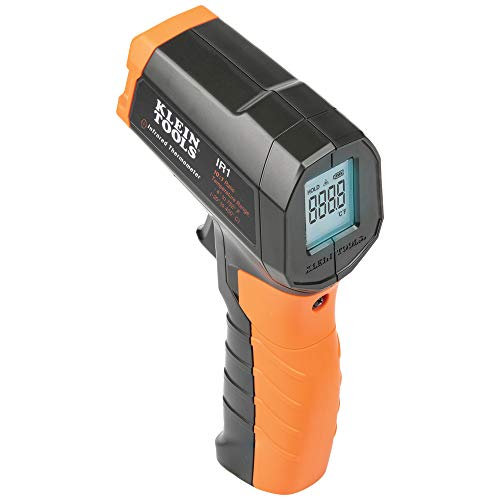
One pixel versus thousands. A spot thermometer reads a temperature; a camera shows where the temperature is.
Read Article→Polished metal is an infrared mirror. The camera sees the room, the lights and you, not the metal.
Read Article→How well a surface radiates heat compared with a perfect emitter. Set it wrong and the temperature is wrong.
Read Article→The smallest temperature difference the camera can distinguish from noise. Lower is better; under 50 mK is good.
Read Article→The native detector array is the real number. Everything else is upscaling or the visible camera.
Read Article→Everything warm glows in infrared. The camera has a sensor that sees that glow and a lens that lets it through.
Read Article→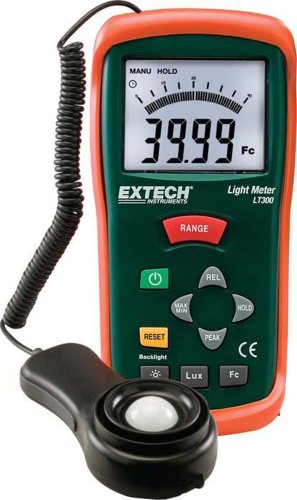
Measures how much light lands on a surface. Useful for workplaces, plants, photography and checking a "bright" room.
Read Article→