As an Amazon Associate, Akermin earns from qualifying purchases. Product links on this page are affiliate links.
A renter can protect an apartment from a gas leak with a single plug-in combustible gas alarm, installed in a kitchen outlet away from the range, with no permission, no drilling and nothing left behind on move-out. Combination units such as the Kidde COPDLG add a carbon monoxide sensor in the same plug, which suits a small apartment where the kitchen and the sleeping area are close together. The one extra worth buying is a pocket sniffer for move-in day, because the connector behind the range is the fitting you inherited from a stranger. What follows covers placement in small kitchens, the apartment-specific risk of a neighbor’s leak, and who to call.
Why Plug-In Is the Renter’s Answer
Hardwired alarms need an electrician and permission; screw-mounted battery alarms leave holes; both count as alterations under most leases. A plug-in unit is an appliance. It goes into a standard outlet, draws its power there and keeps a backup battery for outages. It sits at outlet height, which is lower than the near-ceiling position a natural gas alarm would ideally take, and the manufacturers accept that compromise in exchange for a unit anyone can install; the trade-offs are in plug-in versus battery gas detectors. For most renters the choice comes down to a simple listed alarm with a GAS indicator or a plug-in monitor with a live ppm display, such as the BIXTEK and Adorelf units, which show a number rather than only sounding.
Where It Goes in a Small Kitchen
Apartment kitchens are short on outlets and long on things that confuse a gas sensor: the range itself, a window over the sink, a range hood, a dishwasher venting steam, a spray bottle on every surface. The placement rules from where to place a natural gas detector still apply; they just have fewer places to land.
| Kitchen layout | Best outlet | Avoid |
|---|---|---|
| Galley kitchen, outlets on both sides | The wall opposite the range, toward the room end | The outlet beside the range; any outlet under the window |
| One-wall kitchen open to the living room | The nearest outlet outside the cooking zone, at the kitchen opening | Behind the refrigerator (warm, still air) |
| Kitchen with a pass-through or half wall | The kitchen side of the half wall | The living-room side; a closed door or a wall blocks gas completely |
| Kitchen with the only outlet behind the range | An outlet in the adjacent hallway or dining nook, same open space | Behind the range; an extension cord to anywhere |
| Studio with the range steps from the bed | A combination CO and gas unit at the kitchen edge | Beside the bed, where the alarm is loud but the gas arrives last |
If the building runs on propane rather than natural gas, which is unusual in apartments but common in some rural conversions, the alarm belongs low and the propane rules in where to place a propane detector take over.
The Neighbor Problem
An apartment differs from a house in one way that matters for gas: your walls have other people’s appliances behind them. Natural gas from a leak in the unit below or beside yours rises through plumbing chases, the space around the gas riser, duct shafts and stairwells and can collect under your ceiling before anyone in the leaking unit notices. Older buildings with an indoor meter room or a basement gas main are the strongest case. Your alarm cannot see into the other apartment, but it can catch what arrives in yours, and a rotten-egg smell in a corridor or stairwell should be reported to the utility immediately even if your own stove is off. The same building-wide thinking is why the decision in are gas leak detectors worth it tips toward yes for renters.
Move-In Day: Check the Connector
The flexible connector behind a rental range has been pushed, pulled and reconnected by people you will never meet. Before you cook the first meal, sweep it. Pull the range out only as far as the connector comfortably allows, switch on a pocket sniffer in clean air away from the stove, let it warm up, and move the tip slowly along the connector, both flare nuts and the shutoff valve. A unit as small as the TopTes PT199 fits in a kitchen drawer afterward. If it responds, do not tighten anything yourself; a leak on a landlord’s appliance is the landlord’s repair, and if the smell is noticeable it is the utility’s call first. The safe sweeping method is in using a combustible gas detector safely.
Bedrooms and Studios
A combustible gas alarm does not belong in a bedroom unless the bedroom contains a gas appliance; a carbon monoxide alarm does belong near sleeping areas, and in a studio the two positions collapse into one room, which is where a combination unit at the kitchen edge earns its place. The reasoning is worked through in do you need a gas detector in the bedroom.
Who to Call, and In What Order
If you smell gas or the alarm sounds, the order is the same as in a house and the alarm does not change it: leave the apartment, leave the light switches, the intercom and the elevator button alone on the way out, and call the gas utility or 911 from the street. Then call the building. Management can let the utility in; only the utility can make the building safe. When it is over, the kitchen gas detector roundup and the gas leak detector guide list the plug-in units that make the next leak far less likely to go unnoticed.
Recommended Tools


Natural-Gas-Detector with Plug-in Design, Gas-Leak-Detector with High Accuracy Sensor, Portable
View on Amazon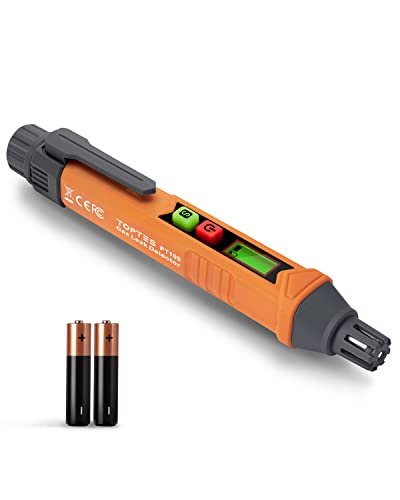
Products shown because their documented specifications fit this guide. Price and availability are on Amazon and can change.
Frequently Asked Questions
Can my landlord object to a gas alarm?
Not to a plug-in unit, which changes nothing about the apartment. A hardwired or screw-mounted alarm is an alteration and most leases require permission for it. Some cities require landlords to provide natural gas alarms in rental units; New York City is one. If yours does not, a plug-in unit is entirely within your control.
Can a gas leak from a neighbor reach my apartment?
Yes. Natural gas rises and travels through pipe chases, duct shafts, the gap around a riser and any opening between units. A leak in the unit below or beside you can show up first as a smell in your kitchen or hallway. That is a reason for an alarm even if your own appliances are new.
The only kitchen outlet is behind the stove. Where do I plug in?
Not there; heat and cooking vapor sit behind a range. Use the nearest outlet outside the stove zone, even if it is in an adjacent hallway or dining area at the kitchen opening, as long as it is in the same open space and not behind a door. Follow the distance from the range that the alarm manual specifies.
Should I call the building or the gas company when I smell gas?
The gas utility or 911, from outside, first. Then the building. The utility can shut off service and check the riser; a superintendent cannot. Do not wait for a callback from the management office while standing in a hallway that smells of gas.
Affiliate disclosure: Akermin earns a commission from qualifying Amazon purchases made through links on this page. Our editorial picks are based on documented specifications and owner feedback, not commissions.