Infrared Thermometer Not Working: How to Diagnose a Wrong or Dead Reading
A practical diagnosis of wrong, erratic or missing infrared thermometer readings, from emissivity and spot size to batteries and broken sensors.
Read More→Editorial desk
The Akermin Thermal Imaging Desk researches thermal cameras and infrared thermometers. Every guide is written from manufacturer documentation, datasheets and published standards; Akermin does not run a test laboratory and never claims hands-on testing.
A practical diagnosis of wrong, erratic or missing infrared thermometer readings, from emissivity and spot size to batteries and broken sensors.
Read More→Rental is a poor fit for most borescope buyers because the instruments are inexpensive to own, the rental pool is small, and the deposit and shipping costs dominate short jobs.
Read More→A plain explanation of infrared thermometry: the Stefan-Boltzmann relationship, emissivity, distance-to-spot ratio, and the situations where a non-contact surface reading is the wrong measurement.
Read More→A borescope puts a camera and light on the end of a flexible or rigid probe so you can see inside engines, pipes and cavities without dismantling them.
Read More→Thermal cameras convert invisible infrared radiation into a visible temperature map, and their usefulness depends on resolution, thermal sensitivity, and how well you control emissivity.
Read More→A practical guide to testing an infrared thermometer at home, covering emissivity, distance-to-spot ratio, stability checks and when a different instrument is the right answer.
Read More→A pyrometer infers surface temperature from the infrared energy a target emits, and its accuracy depends on spot size, emissivity and the material being measured.
Read More→A guide to what makes an infrared thermometer reading trustworthy: distance-to-spot ratio, emissivity, field of view and the surfaces where non-contact measurement fails.
Read More→A thermal survey only works when the target and its surroundings are at measurably different temperatures, and this page explains why, how much difference is needed, and what to do when it is not there.
Read More→Radiometric files keep per-pixel temperature data for later analysis; plain picture files keep only the rendered image, and the difference matters most after the inspection is over.
Read More→
A specification-by-specification reading of the Fluke 62 Max that separates what the listing publishes from what it leaves out.
Read More→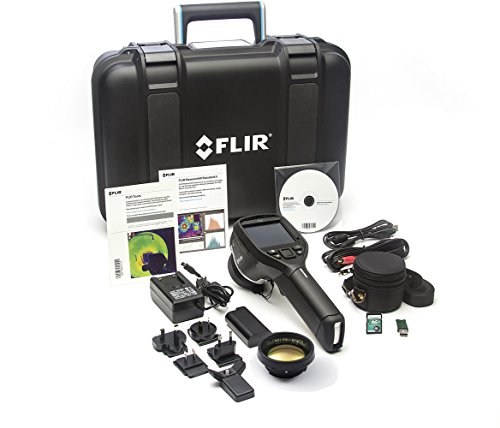
A close read of the FLIR E50 listing, focused on the laser class and the consumable and maintenance implications it carries.
Read More→