
Can Thermal Imaging Find Water Leaks?
Often, because wet materials evaporate and cool. But a cold patch needs a moisture meter to prove it.
Read More→Editorial desk
The Akermin Thermal Imaging Desk researches thermal cameras and infrared thermometers. Every guide is written from manufacturer documentation, datasheets and published standards; Akermin does not run a test laboratory and never claims hands-on testing.
Often, because wet materials evaporate and cool. But a cold patch needs a moisture meter to prove it.
Read More→No. It sees the wall's surface. But what is behind the wall changes that surface, and that is the trick.
Read More→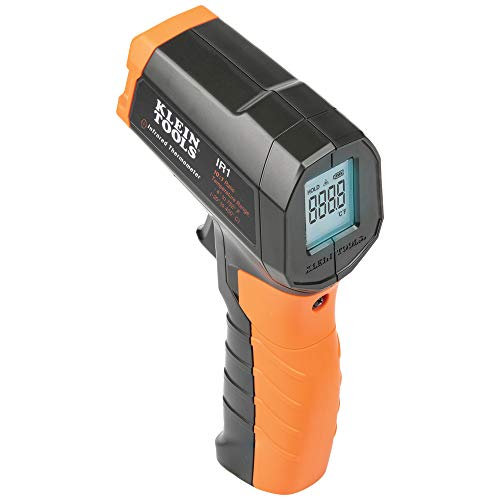
One pixel versus thousands. A spot thermometer reads a temperature; a camera shows where the temperature is.
Read More→Polished metal is an infrared mirror. The camera sees the room, the lights and you, not the metal.
Read More→How well a surface radiates heat compared with a perfect emitter. Set it wrong and the temperature is wrong.
Read More→The smallest temperature difference the camera can distinguish from noise. Lower is better; under 50 mK is good.
Read More→The native detector array is the real number. Everything else is upscaling or the visible camera.
Read More→Everything warm glows in infrared. The camera has a sensor that sees that glow and a lens that lets it through.
Read More→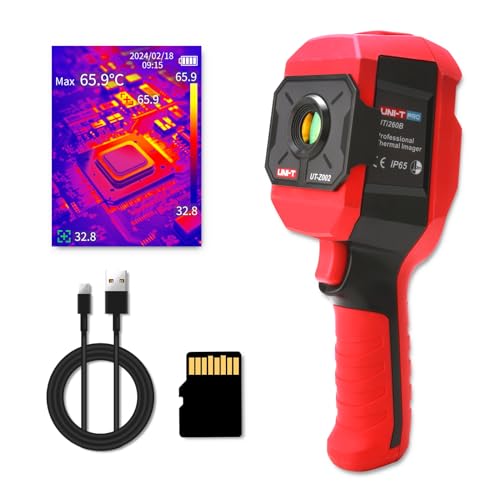
Ten thermal cameras for home inspection compared on native detector resolution, upscaling, screen and battery, phone-based and standalone.
Read More→