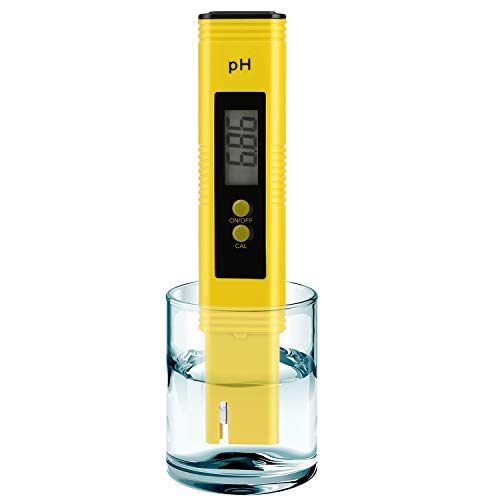
Best pH Meters: 10 Precision Picks for Accurate Water Testing
A pH meter is only as good as its electrode and its last calibration, which is why two instruments with identical specifications can disagree by half a point after a season of use. This hub compares ten current pH meters on the ranges, tolerances and calibration methods their manufacturers publish, and links down to the related measurement guides on this site.
Independent Research
Verified Specifications
Honest Recommendations
Calibrate Before Use
Store the Probe Wet
Two Buffers Minimum
As an Amazon Associate, Akermin earns from qualifying purchases. Product links on this page are affiliate links.
Our Top Picks
Meters were compared on what each listing states: the pH range covered, the accuracy figure, what else the instrument measures, whether a calibration procedure is described and what kind of probe is fitted. We did not run laboratory tests, did not compare any meter against reference buffers and publish no pH measurements of our own.
Best Overall
VIVOSUN Digital pH Meter with TDS and EC
A full 0.00 to 14.00 range with one-touch calibration and buffer powders included.
Stated pH measurement from 0.00 to 14.00
One-touch automatic calibration with included buffer powder packs
Values come from each manufacturer own listing. Several listings quote 0.01 in the product title only, which on a pH instrument usually describes display resolution rather than accuracy; those cells say where the figure came from. The HSLGOVE entry is a soil test kit rather than a liquid pH meter and is included because it appears in this category.
How to Choose a pH Meter
Four things decide whether a pH reading is worth anything:
Calibration Route
A pH meter that cannot be calibrated against buffers is an indicator, not a meter. Look for a documented procedure and buffers supplied or available.
Replaceable Electrode
pH probes are consumables with a working life measured in months of regular use. A replaceable sensor extends the life of the instrument; a sealed pen ends with its probe.
Accuracy or Resolution
A 0.01 figure in a product title is usually display resolution. Real accuracy on affordable pH meters is more often in the region of a tenth of a pH unit after calibration.
Temperature Compensation
pH readings shift with temperature. A meter that reads temperature can compensate; one that does not gives a figure that depends on how warm the sample was.
Before every session that matters, and at minimum monthly for casual use. pH electrodes drift continuously as the glass membrane hydrates and ages and the reference junction slowly contaminates, and the drift is gradual enough that a badly out meter still looks convincing. Two-point calibration using buffers either side of the range you care about, commonly pH 4 and pH 7, is the usual routine.
Why does my pH meter read differently after a few months?
Because the probe is a consumable. The sensing glass ages, the reference junction can clog with the material it has been dipped into, and a probe stored dry degrades much faster than one kept wet. Recalibrate first. If a two-point calibration will not bring the readings into line, the electrode has reached the end of its useful life, which is why meters with replaceable sensors last longer.
What is the difference between 0.01 resolution and 0.01 accuracy?
Resolution is the smallest change the display can show; accuracy is how close the reading is to the true value. Several listings in this group quote 0.01 in the product title while the bullet text, where it says anything, quotes a tenth of a pH unit. A pen showing two decimal places with a tenth of a unit of real accuracy is displaying more precision than it possesses.
How should I store a pH probe?
Wet, in the storage solution the manufacturer specifies, never dry and generally not in plain distilled water, which draws ions out of the reference junction. If a probe has dried out, soaking it in storage solution or buffer for several hours sometimes revives it enough to recalibrate. Rinse with clean water between samples rather than wiping the glass, which can scratch it.
Can a liquid pH meter test soil?
Not directly. Soil pH is measured either with a probe designed for insertion into moist soil, such as the soil kit in this list, or by making a slurry of soil and distilled water to a defined ratio and measuring that with a liquid meter. Pushing a standard glass electrode into soil risks breaking it and gives poor contact. The two instruments are not interchangeable.
Reviews
VIVOSUN Digital pH Meter with TDS and EC Best Overall
This is the meter that publishes the two things that matter most on a pH instrument: the full 0.00 to 14.00 range, and a calibration route with the buffer powders supplied in the box. Calibration is not optional maintenance on a pH meter, it is the operating procedure. Electrodes drift as the glass membrane and reference junction age, and a meter that has not been calibrated recently will read plausibly and wrongly. Including the buffers removes the excuse.
One point of honesty about the specification. The bullet text states 0.1 pH accuracy while the product title states 0.01, which are two very different claims. The lower figure in the bullet is the one we have recorded in the table, with a note that the title disagrees; 0.01 is most likely the display resolution rather than the accuracy, and confusing the two is endemic in this category.
The TDS and EC channels earn their place for anyone growing. Nutrient strength is judged by conductivity and nutrient availability by pH, so the two have to be read together, and a single pen that does both saves calibrating and storing two instruments. The trade-off, as always, is that the pH electrode is a consumable, and a sealed pen reaches the end of its life when the probe does.
Strengths
Full 0.00 to 14.00 range stated
One-touch calibration with buffer powders included
TDS and EC alongside pH
Suits hydroponics, pools and general water
Limitations
Listing states 0.1 pH accuracy while the title claims 0.01
YINMIK 4-in-1 pH and EC Meter for Hydroponics Best for Hydroponics
Hydroponic growing is the application where pH measurement stops being occasional and becomes a daily routine, and the instrument has to suit that rhythm. YINMIK states one-click access to temperature, pH and EC of a nutrient solution, with ppm alongside EC, which is exactly the set of numbers a reservoir check needs and in the order a grower reads them.
The reason all four belong together is chemical rather than convenient. Nutrient concentration is measured as conductivity. Whether the plant can actually take up those nutrients depends on pH sitting in a narrow band, typically well under one full pH unit wide for most crops. And both readings shift with temperature, so a solution measured cold in the morning and warm in the afternoon will appear to have changed when it has not. Reading all four in a single immersion removes three chances to introduce an error.
The listing publishes no pH range, no accuracy figure and no calibration procedure, which is a real gap for an instrument intended for repeated professional use. Buy buffer solutions separately, calibrate on a fixed schedule rather than by feel, and keep the electrode in storage solution between sessions.
Strengths
pH, EC, ppm and temperature in one reading
Built around the hydroponic reservoir check routine
Temperature measured alongside the readings that depend on it
Fast enough for daily use
Limitations
pH range and accuracy not stated
Calibration procedure not described on the listing
Ruolan Digital pH Meter Tester Pen, Pre-Calibrated Best Value
The Ruolan pen is the most straightforward instrument here and the one whose listing explains itself best. It states a 0 to 14 range and an accuracy of plus or minus 0.01, says it arrives pre-calibrated, and then does something unusual for a budget product: it spells out how to recalibrate, by holding the CAL button for five seconds and working through the standard buffer powders in a specified order.
That instruction is worth more than most specifications. A pH meter whose calibration procedure is documented on the product page is a meter the owner will actually recalibrate, and a recalibrated cheap meter beats a neglected expensive one every time. Arriving pre-calibrated also means the first reading out of the box is usable rather than arbitrary.
Treat the plus or minus 0.01 claim with the usual caution. That figure describes the instrument at calibration under good conditions, not a probe three months into a season of immersion in nutrient solution or pool water. It measures pH only, with no EC, TDS or temperature channel, so growers will want one of the multi-parameter instruments above. For testing liquids where pH alone is the question, this is the cheapest sensible answer.
Strengths
0 to 14 range and plus or minus 0.01 both stated
Calibration procedure documented on the listing
Arrives pre-calibrated and ready to use
Lowest tier here with published figures
Limitations
pH only, no EC, TDS or temperature
Stated accuracy applies at calibration, not months later
Short answer: the VIVOSUN pH TDS EC meter is the best all-round choice, with a stated 0.00 to 14.00 range, one-touch calibration and buffer powders in the box; the YINMIK 4-in-1 suits hydroponics, giving pH, EC, ppm and temperature in a single press; and the Ruolan pen is the value pick, stating 0 to 14 at plus or minus 0.01 and, unusually, documenting how to recalibrate it.
The electrode is the instrument
Everything else on a pH meter is a display and a battery. The measurement happens at a thin glass membrane that develops a small voltage proportional to the hydrogen ion activity of the solution around it, referenced against a second half-cell through a porous junction. Both parts age. The glass hydrates and slowly changes its response, the reference junction gradually contaminates with whatever the probe has been dipped into, and a probe left to dry out deteriorates far faster than one kept wet. This is why pH meters behave differently from almost every other instrument on this site: a pH meter is not a device you buy once and trust, it is a device you calibrate on a schedule and eventually re-probe or replace. Of the ten meters here, only the Apera PH60S states a replaceable sensor.
Calibration is the operating procedure, not maintenance
Two listings in this group describe how calibration actually works. The VIVOSUN states one-touch automatic calibration with buffer powder packs included, and the Ruolan pen states that holding the CAL button for five seconds enters calibration mode, to be worked through with standard powders in a specified order. Everything else says nothing about calibration at all, which is the single most important omission a pH listing can make. Buffers are solutions of precisely known pH, commonly 4.01, 7.00 and 10.01, and a two-point calibration using two buffers that bracket your working range is what tells the meter both where zero is and how steep its response is. Without that, the instrument is reporting a voltage through an assumed relationship that gets less true every week.
Accuracy, resolution, and a figure that keeps moving between them
This category has a specific and persistent confusion, and it shows up clearly in the table. Several product titles claim 0.01 accuracy. Where the listing bullets say anything at all, the figure is often different: the VIVOSUN bullet text states 0.1 pH accuracy while its own title claims 0.01. The likeliest explanation is that 0.01 is the display resolution, the smallest step the screen can show, and that the tenth of a unit is the real tolerance. Only the Ruolan pen states plus or minus 0.01 as an accuracy figure in the listing text itself. Treat two decimal places on an affordable pH pen as a display convenience. Real-world accuracy on these instruments, freshly calibrated, is more realistically a tenth of a pH unit, and worse as the probe ages.
pH never travels alone in growing or pool work
Five of these meters bundle pH with conductivity, TDS or temperature, and that is not feature padding. In hydroponics, nutrient concentration is read as conductivity while nutrient availability depends on pH sitting inside a band often less than a full unit wide, so a solution can be correctly fed and still starve the plant if the pH has drifted. In a pool, chlorine sanitises far less effectively as pH rises, so a chlorine reading interpreted without pH is misleading. And both pH and conductivity shift with temperature, which is why the YINMIK, UIUZMAR and GIDIGI meters all read temperature alongside. If your application is growing or pool water, buy the multi-parameter instrument; see the water quality tester hub for the broader comparison.
Specialist probes: food, soil and everything in between
Two entries here are not general liquid meters. The Apera PH60S carries a food-grade Swiss spear sensor intended to be pushed into cheese, rice, fruit, sauces and semi-solids, and it is replaceable, which matters because a spear probe used in food takes more abuse than one dipped in water. The HSLGOVE kit is a soil tester, reading soil pH alongside moisture, light and fertility on a probe designed to be inserted into damp ground. Neither is interchangeable with a standard pen. Pushing a glass bulb electrode into soil risks breaking it and gives poor electrical contact, so the correct alternative with a liquid meter is to make a slurry of soil and distilled water in a defined ratio and measure that instead.
Habits that keep a cheap meter honest
Three practices do more for accuracy than doubling the budget. Store the probe wet in the manufacturer storage solution, never dry and generally not in plain distilled water, which leaches ions out of the junction. Rinse between samples with clean water and shake rather than wiping the glass, which scratches it. And calibrate to a schedule rather than when something looks wrong, because drift is smooth and a badly drifted meter reads confidently. If a two-point calibration no longer brings the meter into line, the electrode is finished; on a sealed pen that is the end of the instrument, and on a meter with a replaceable sensor it is a part. That distinction is worth factoring into the purchase price over a few seasons. Our note on resolution in a digital meter covers the specification trap that runs through this whole category.
Meters were compared on manufacturer listing text: stated pH range, stated accuracy and where that figure appears, additional parameters measured, calibration method and supplied buffers, probe type and replaceability. Where a figure appeared only in a product title rather than the listing bullets, that is noted. Owner feedback was reviewed for recurring comments on drift and probe life. We did not run laboratory tests, did not compare any meter against reference buffers and publish no measurements of our own. Amazon data supplies images, availability and links only.
A thermocouple is a temperature sensor made from two dissimilar metals that generates a small voltage proportional to the temperature difference between its measuring junction and a reference junction.
Thermocouples win on range, speed and ruggedness, and lose on absolute accuracy and cold-junction compensation; this explains the mechanism behind each.
A guide to reading a decibel meter's accuracy claims, choosing weighting and response settings, and knowing when a handheld meter is the wrong instrument.